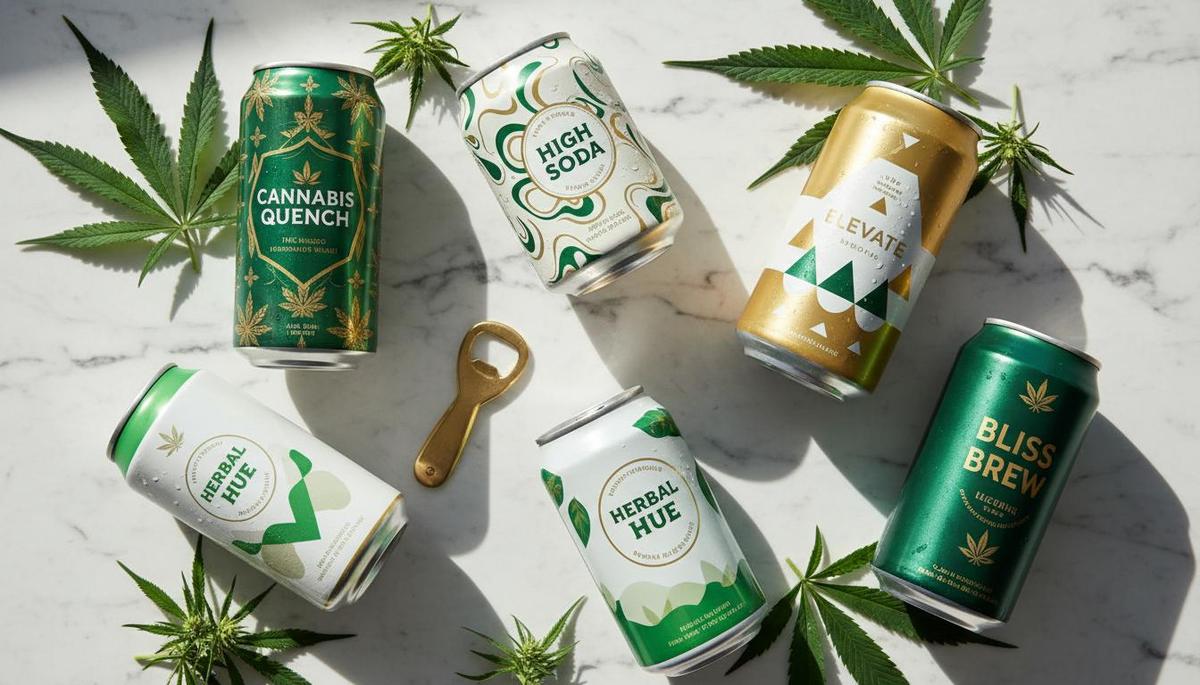
Cannabis beverage labels contain crucial information about potency, ingredients, quality, and safety, but the terminology, numbers, and abbreviations can confuse even experienced consumers. Understanding how to read and interpret these labels empowers you to make informed purchasing decisions, compare products accurately, dose precisely, and avoid products that don't meet your standards. This comprehensive guide breaks down every element you'll find on a THC drink label and explains what it means for your consumption experience.
THC Content: The Most Important Number
The total THC content is the most critical piece of information on any cannabis beverage label, and it's usually displayed prominently. This number tells you exactly how much tetrahydrocannabinol the product contains, measured in milligrams (mg). You'll typically see THC content displayed in one of several formats: "Total THC: 10mg" indicating the entire container holds 10 milligrams; "THC per serving: 10mg" with "Servings per container: 2" meaning the bottle contains 20mg total; or simply "10mg" on single-serving cans where the entire product is one dose.
Always verify whether the stated milligrams refer to the entire package or a single serving. This distinction causes more accidental overconsumption than any other labeling confusion. A bottle labeled "100mg" with "10 servings per container" actually contains 10mg per serving, but a consumer who assumes the 100mg is a single dose will consume ten times their intended amount.
Some labels also display THC content in milligrams per fluid ounce or milliliters, which allows comparison across different package sizes. This is particularly useful when deciding between a 12-ounce can and a 16-ounce bottle with different total THC contents.
CBD Content and Ratios
If the product contains CBD (cannabidiol), the label will list the total CBD content in milligrams, either for the full package or per serving. When both THC and CBD are present, labels often display a ratio such as "1:1 THC:CBD" meaning equal amounts of both compounds. Common ratios include 1:1, 2:1 (THC-dominant), 1:2 (CBD-dominant), 5:1, and 10:1. Understanding these ratios helps you predict the experience: balanced ratios tend to produce milder, smoother effects with reduced anxiety, while THC-dominant ratios produce stronger psychoactive effects.
Some labels also list other cannabinoids including CBG (cannabigerol), CBN (cannabinol), and CBC (cannabichromene). While these minor cannabinoids are present in smaller amounts, they may contribute to the overall experience through the entourage effect. Products advertising specific minor cannabinoid content are often positioned as premium or functionally targeted formulations.
THC Type Identification
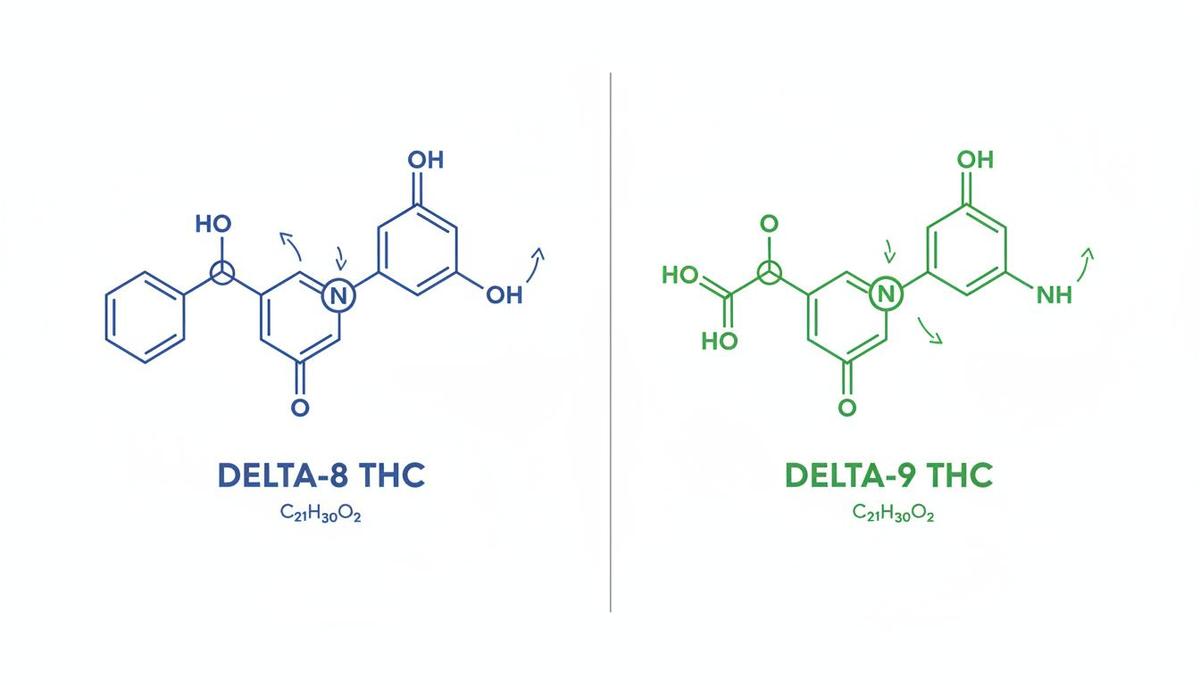
Labels should clearly indicate which type of THC the product contains. Look for specific terms: "Delta-9-THC" or "Delta-9-Tetrahydrocannabinol" for traditional marijuana-derived THC; "Hemp-Derived Delta-9-THC" for THC extracted from hemp plants; "Delta-8-THC" or "Delta-8-Tetrahydrocannabinol" for the hemp-derived isomer; and "Full Spectrum" indicating the product contains the complete range of cannabinoids and terpenes from the source plant. Products not specifying the THC type are suspect and should be avoided. Reputable brands are transparent about their cannabinoid sources.
Serving Size Information
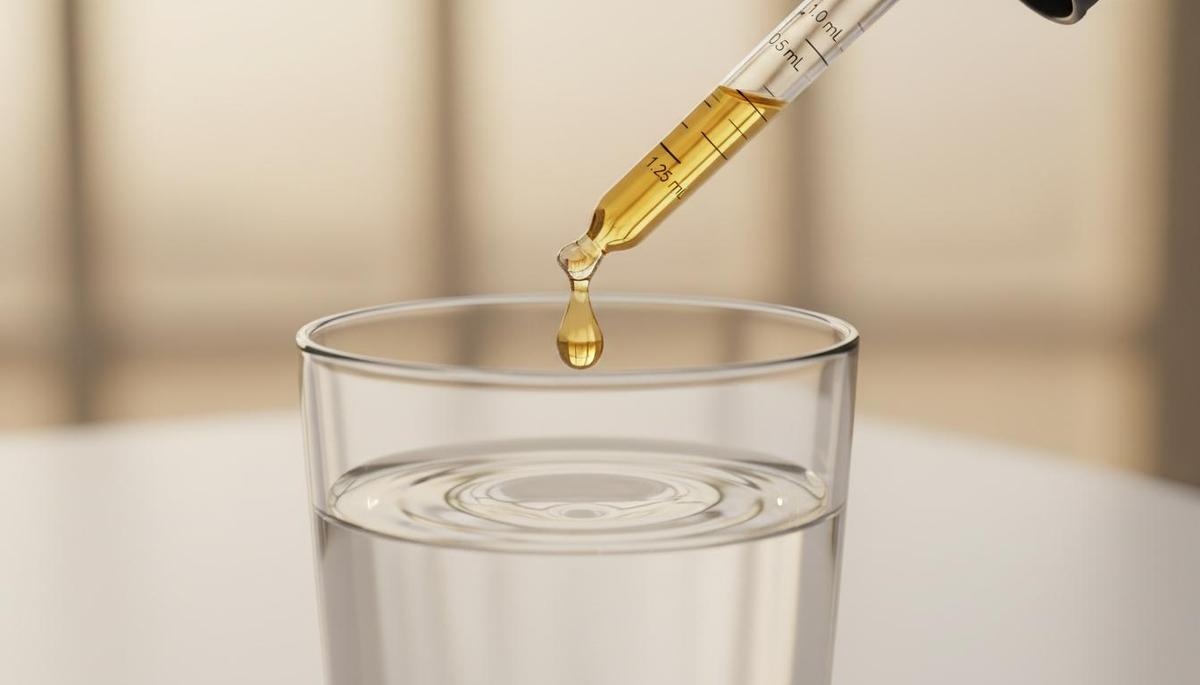
Serving size information is essential for accurate dosing. Labels should clearly state: the recommended serving size (e.g., "1 can" or "6 fl oz"), the number of servings per container, and the THC content per serving. Some multi-serving bottles include measuring lines or cup markings on the packaging to help you pour accurate single servings. If a product contains multiple servings, plan your consumption accordingly and avoid drinking the entire container in one sitting unless you intend to consume the full THC amount.
Ingredients List
The ingredients list reveals product quality and helps identify potential allergens or unwanted additives. For THC sodas and seltzers, look for: natural flavors rather than artificial flavors; real fruit juice rather than artificial fruit flavoring; natural sweeteners like cane sugar, agave, or stevia rather than high-fructose corn syrup or artificial sweeteners (unless you prefer diet formulations); natural preservatives like citric acid rather than synthetic alternatives; and no unnecessary fillers or additives. Premium products tend to have shorter, more recognizable ingredient lists. If you can't pronounce most of the ingredients, consider a different brand.
Certificate of Analysis (COA) Reference
Reputable cannabis beverage brands provide access to third-party lab test results called Certificates of Analysis (COAs). Labels often include a QR code, batch number, or website link that allows you to access the COA for your specific product batch. The COA verifies: actual THC and CBD potency (confirming label accuracy); absence of contaminants including pesticides, heavy metals, residual solvents, and microbial contamination; terpene profile (if applicable); and compliance with legal THC limits. Always verify that COAs are available before purchasing a product. If a brand cannot or will not provide lab results, choose a different product.
Batch Numbers and Dates
Labels should include a batch or lot number that identifies when and where the product was manufactured. This allows for quality tracking and enables recalls if issues are discovered. Manufacturing or packaging dates indicate product freshness. While THC doesn't necessarily "expire" in a dangerous way, it can degrade over time, losing potency. For optimal effects, consume products within 6 to 12 months of manufacture. Some labels include a "best by" date rather than a manufacture date.
Allergen and Dietary Information
Look for common allergen warnings if you have food sensitivities. While most THC beverages are free of major allergens, some may contain ingredients derived from soy, tree nuts, or other allergens. Dietary certifications like "Vegan," "Gluten-Free," "Non-GMO," "Organic," or "Kosher" may be displayed if the product meets these standards. Calorie, sugar, carbohydrate, and sodium content should be listed in a nutrition facts panel similar to conventional beverages.
Legal Compliance Markings
In regulated markets, labels must include specific legal markings: the universal cannabis symbol (varies by state but typically a triangle or cannabis leaf icon), state-specific warnings about the intoxicating effects of THC, age restriction notices ("For Adult Use Only 21+" or similar), statements that the product has not been evaluated by the FDA, and instructions to keep away from children and pets. These markings, while sometimes seeming like clutter, indicate the product is being sold through legal, regulated channels rather than the illicit market.
Storage Instructions
Labels typically include storage recommendations such as "Keep refrigerated," "Store in a cool, dark place," or "Best served chilled." Following these instructions maintains product quality and potency. Light and heat degrade THC over time, so proper storage matters for preserving the product's effectiveness.
Red Flags to Watch For
Certain labeling issues should raise concerns about product quality and safety: missing or unclear THC content information; no batch number or manufacturing date; no way to access lab test results; claims that seem too good to be true ("100% absorption," "Instant effects," "Medical grade"); misspellings, poor grammar, or unprofessional design; no manufacturer contact information; and claims that the product will treat, cure, or prevent any disease (these are illegal and indicate an untrustworthy company).
How to Compare Products Using Labels
When deciding between multiple THC beverages, use labels to make objective comparisons: calculate cost per milligram of THC by dividing the price by the total THC content; compare ingredient quality across brands; verify that COAs are available for all options you're considering; check manufacturing dates and choose fresher products; compare nutritional information if dietary factors matter to you; and read the full ingredients list rather than relying on marketing claims on the front of the package.
Conclusion
Learning to read cannabis beverage labels transforms you from a passive consumer into an informed purchaser who can evaluate products critically and choose options that align with your goals, values, and standards. The most important information to verify is the THC content (total and per serving), the THC type (delta-8, delta-9, or hemp-derived), access to third-party lab results, ingredient quality, and manufacturing freshness. Products from reputable brands make this information easy to find and understand. If a label is confusing, incomplete, or missing critical information, that's itself valuable information, choose a different brand that prioritizes transparency and consumer education.