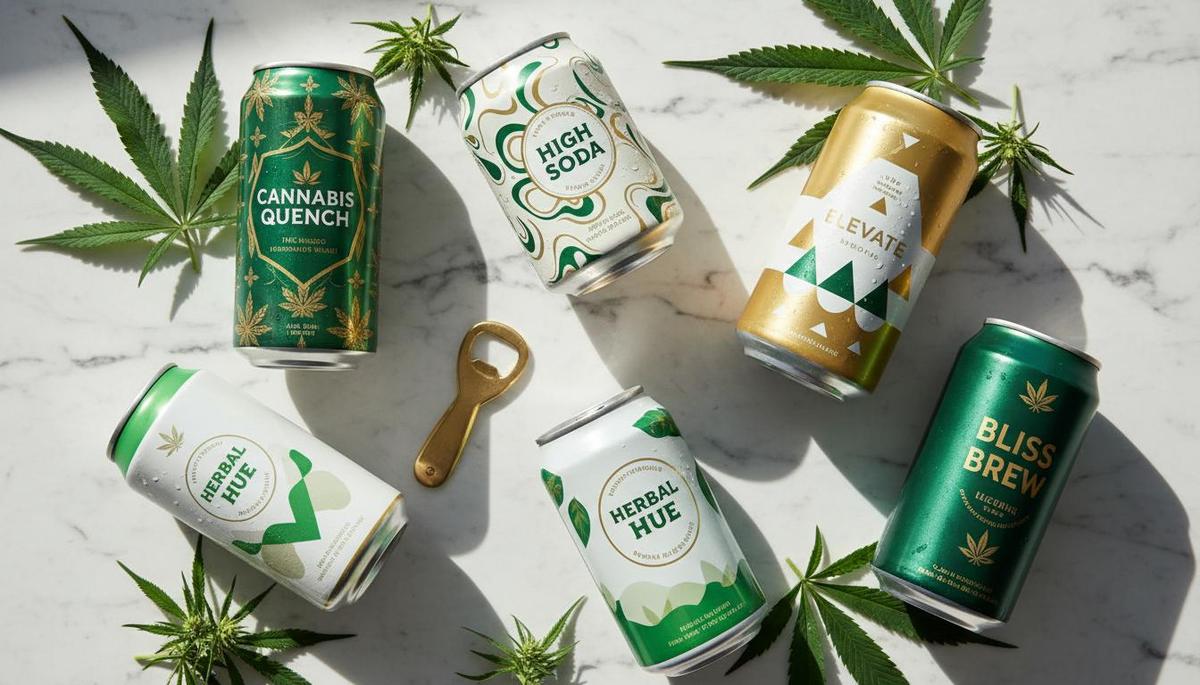
Delta-8 and Delta-9 THC drinks may look identical on the shelf, but they produce noticeably different experiences. Understanding these differences is essential for making informed purchasing decisions and achieving your desired effects. This comprehensive guide examines the chemistry, effects, legality, and consumer considerations that distinguish these two popular cannabinoid beverages.
The Chemistry Behind Delta-8 and Delta-9 THC
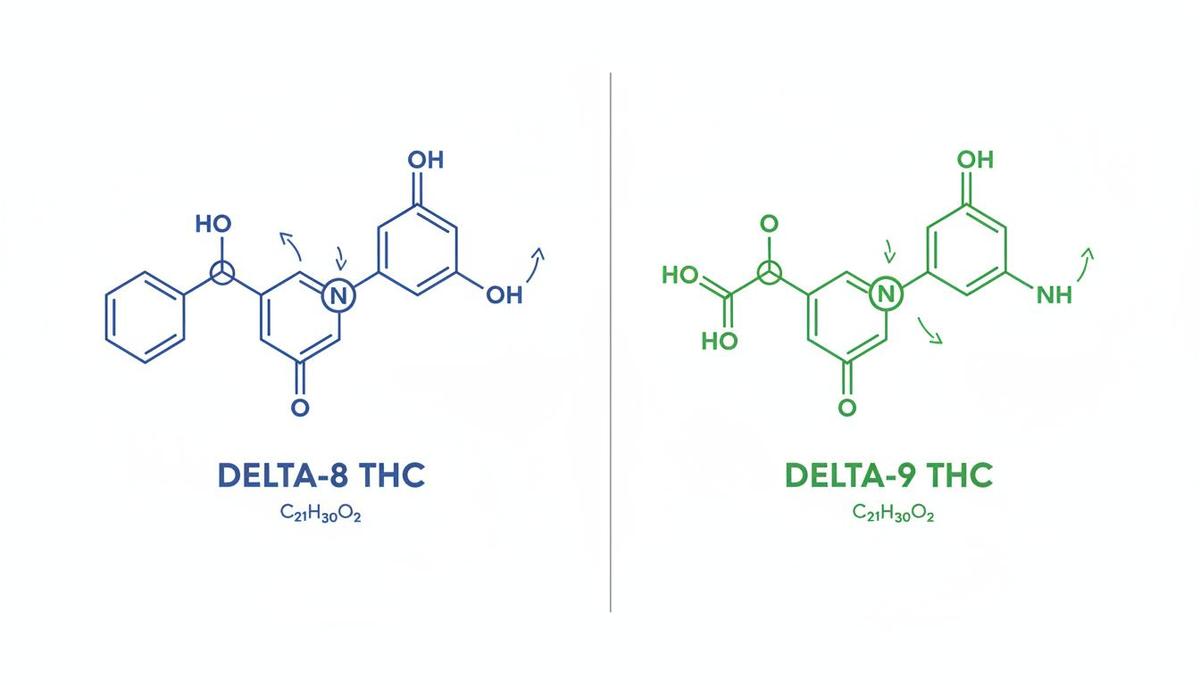
Both delta-8-THC and delta-9-THC are naturally occurring cannabinoids found in the cannabis plant. They share an identical molecular formula of C₂₁H₃₀O₂ and the same molecular weight of 314.45 g/mol. The critical difference between them lies in the location of a double bond within their carbon chain structures. In delta-9-THC, this double bond occurs on the ninth carbon atom, while in delta-8-THC, it is located on the eighth carbon atom. This seemingly minor structural variation produces significant differences in how each compound interacts with your body's endocannabinoid system.
The endocannabinoid system (ECS) is a complex cell-signaling network present throughout the human body, consisting of endocannabinoids, receptors, and enzymes. The two primary receptor types are CB1 receptors, concentrated primarily in the brain and central nervous system, and CB2 receptors, found mainly in peripheral organs and immune cells. THC compounds produce their psychoactive effects primarily through binding to CB1 receptors.
Delta-9-THC binds with strong affinity to CB1 receptors, acting as a partial agonist that activates these receptors robustly. This strong binding is responsible for the potent psychoactive effects associated with traditional cannabis use. Delta-8-THC also binds to CB1 receptors but with approximately half the affinity of delta-9. This reduced binding strength explains why delta-8 produces milder, more manageable psychoactive effects while still delivering therapeutic benefits.
Comparing the Psychoactive Effects
The subjective experiences produced by delta-8 and delta-9 THC drinks differ in several important ways that consumers should understand before making purchases.
Delta-9 THC Drink Effects
Delta-9 THC beverages produce the classic cannabis high that most people associate with marijuana consumption. Effects typically include pronounced euphoria, significant alterations in sensory perception, enhanced creativity, deep physical and mental relaxation, time distortion, increased appetite, and potent mood elevation. At moderate doses, many users report enhanced social engagement and increased enjoyment of music, art, food, and nature.
However, delta-9's potency also means a higher risk of unwanted side effects, particularly for inexperienced users or those sensitive to THC. These can include anxiety, paranoia, racing thoughts, dizziness, confusion, impaired short-term memory, dry mouth, and in some cases, nausea. The intensity of these negative effects generally increases with higher doses.
Delta-8 THC Drink Effects
Delta-8 THC beverages produce a noticeably milder and more functional high. Users consistently describe the experience as clear-headed, smooth, relaxing, and free from the anxiety and mental fog that sometimes accompany delta-9 consumption. The effects include gentle euphoria, physical relaxation without heavy sedation, improved focus and mental clarity, subtle mood enhancement, and reduced nausea.
Many consumers compare delta-8's effects to a "light beer" version of cannabis, providing pleasant relaxation and mood improvement while maintaining the ability to work, socialize, and engage in complex activities. This functional quality makes delta-8 drinks particularly popular for daytime use, professional settings, creative work, and social gatherings where full intoxication would be inappropriate.
Potency and Dosing Differences
When comparing doses between the two cannabinoids, a general rule of thumb is that delta-8 is roughly 50-70% as potent as delta-9. This means that a 10mg delta-8 drink would produce effects roughly equivalent to a 5-7mg delta-9 drink. However, individual responses vary significantly, and some users report that the qualitative differences between the compounds are more significant than the quantitative potency gap.
For consumers transitioning between delta-8 and delta-9 products, it is wise to start with equivalent or slightly lower doses when switching to delta-9, and to increase doses gradually when switching to delta-8. Keep a consumption journal tracking the product, dose, time of consumption, and effects to identify your personal optimal dosage for each cannabinoid type.
Onset Time and Duration
Both delta-8 and delta-9 THC drinks utilize nano-emulsification technology that enables rapid absorption, so their onset times are generally similar. Most users feel initial effects within 15 to 30 minutes after consumption, with peak effects occurring at 60 to 90 minutes. Total duration typically ranges from 3 to 6 hours for both compounds.
Some users anecdotally report that delta-8 effects feel slightly longer-lasting than equivalent delta-9 doses, possibly due to differences in metabolic processing. However, more research is needed to confirm this observation scientifically. The duration for both compounds is influenced by factors including dose, individual metabolism, body composition, recent food intake, and tolerance level.
Medical and Therapeutic Applications
Both cannabinoids have demonstrated therapeutic potential in preliminary research, though delta-9 has been studied far more extensively due to its longer history of medical and recreational use.
Delta-9 THC Therapeutic Uses
FDA-approved synthetic delta-9-THC (dronabinol and nabilone) is prescribed for chemotherapy-induced nausea and vomiting and for appetite stimulation in AIDS patients. Research and anecdotal evidence also support its use for chronic pain management, multiple sclerosis spasticity, glaucoma (intraocular pressure reduction), PTSD symptom management, and sleep disorders. The robust psychoactive effects can also provide psychological relief from stress and anxiety for many patients, though paradoxically, they can worsen anxiety in sensitive individuals.
Delta-8 THC Therapeutic Potential
Research specifically on delta-8 is more limited but growing rapidly. A 1995 study published in Life Sciences found delta-8 THC effective in preventing vomiting in pediatric cancer patients undergoing chemotherapy, with a remarkable 100% success rate in 480 treatments and negligible side effects. Anecdotal reports and preliminary studies suggest delta-8 may be particularly effective for anxiety reduction, appetite stimulation, pain relief, neuroprotection, and reducing inflammation. Its anti-anxiety properties appear especially promising given that anxiety is one of the most commonly reported side effects of delta-9 THC.
Legal Status and Availability
The legal landscape for delta-8 and delta-9 THC drinks differs significantly and remains in flux, making it essential for consumers to understand current regulations.
Delta-9 THC Legal Status
Marijuana-derived delta-9-THC is classified as a Schedule I controlled substance under federal law, making it illegal at the national level. However, as of 2026, 24 states plus Washington D.C. have legalized recreational marijuana, and 38 states have medical marijuana programs. In these legal states, licensed dispensaries sell delta-9 THC beverages regulated by state cannabis agencies. Hemp-derived delta-9-THC containing less than 0.3% THC by dry weight is federally legal under the 2018 Farm Bill and can be sold in many states without a marijuana license.
Delta-8 THC Legal Status
Delta-8 occupies a complex legal gray area. Because it can be synthesized from hemp-derived CBD, many producers argue it falls under the 2018 Farm Bill's definition of legal hemp products. This has allowed delta-8 beverages to be sold in states where delta-9 marijuana products remain illegal, dramatically expanding their market reach. However, the legal interpretation remains contested, and several states have explicitly banned or restricted delta-8 products through legislation or regulatory action. States including Alaska, Colorado, Delaware, Idaho, Iowa, Montana, New York, Nevada, North Dakota, Rhode Island, Vermont, Utah, and Washington have prohibited or severely restricted delta-8 sales. The DEA has also signaled that synthetically derived tetrahydrocannabinols may be considered controlled substances regardless of their hemp origin.
Manufacturing and Quality Control
The production methods for delta-8 and delta-9 THC drinks differ significantly, which has implications for product safety and quality.
Delta-9 THC Production
Delta-9-THC used in beverages is typically extracted directly from cannabis plant material using CO2, ethanol, or hydrocarbon extraction methods. These processes are well-established and produce relatively pure THC that requires minimal further processing. In regulated marijuana markets, extraction facilities must comply with strict safety standards, product testing requirements, and quality control protocols.
Delta-8 THC Production
Because cannabis plants contain only trace amounts of delta-8-THC (typically less than 1%), commercial production requires chemical conversion from hemp-derived CBD. This process uses acids, solvents, and sometimes metal catalysts to rearrange CBD's molecular structure into delta-8-THC. The conversion process raises quality and safety concerns because improper procedures can leave residual chemicals, solvents, or unwanted byproducts in the final product. Additionally, the reaction may produce unknown compounds whose safety profiles have not been studied. This makes third-party lab testing absolutely critical for delta-8 products, yet the unregulated nature of much of the delta-8 market means not all products undergo adequate testing.
Consumer Safety Considerations
When choosing between delta-8 and delta-9 THC drinks, safety should be a primary consideration.
Delta-9 Safety Profile
Delta-9-THC has been consumed by humans for thousands of years and has been extensively studied in modern medical research. While not without risks, its safety profile is relatively well-understood. Products sold in regulated marijuana markets undergo mandatory testing for potency, pesticides, residual solvents, heavy metals, microbial contamination, and mycotoxins. Consumers have recourse through regulatory agencies if they encounter unsafe products.
Delta-8 Safety Concerns
The delta-8 market's largely unregulated status creates significant safety concerns. A study by the U.S. Cannabis Council found that many delta-8 products contain potentially harmful contaminants including heavy metals, residual solvents, and unknown reaction byproducts. Some products contain significantly more or less delta-8 than advertised on their labels. Consumers should only purchase delta-8 drinks from companies that provide comprehensive third-party lab reports (COAs) verifying potency and purity. Be particularly wary of products sold at gas stations, convenience stores, or unverified online vendors.
Cost Comparison
Pricing for both types of THC drinks varies based on brand, quality, dose, and market factors. Generally, delta-9 THC beverages from licensed dispensaries tend to be more expensive due to the heavy taxation and regulatory compliance costs associated with marijuana products. Delta-8 drinks are often less expensive because they avoid these regulatory costs and can be produced more efficiently from hemp. However, the old adage "you get what you pay for" applies strongly in the cannabis beverage market. Ultra-cheap delta-8 products should raise red flags about quality and safety.
How to Choose: Delta-8 or Delta-9?
Your choice between delta-8 and delta-9 THC drinks should be based on your goals, experience level, sensitivity to THC, and local legal availability.
Choose Delta-8 If:
You are new to cannabis and want a gentle introduction. You are sensitive to THC's anxiety-inducing effects. You need to remain functional and clear-headed. You want daytime-friendly effects. You live in a state with restricted delta-9 access. You prefer milder, more manageable psychoactive effects.
Choose Delta-9 If:
You seek a more potent, traditional cannabis experience. You have developed some THC tolerance. You want stronger euphoria and sensory enhancement. You are consuming for significant pain relief or sleep support. You have access to regulated, tested products from licensed dispensaries. You are comfortable with more pronounced psychoactive effects.
The Entourage Effect Consideration
Another important factor is whether the drink contains only isolated cannabinoids or a full spectrum of cannabis compounds. Full-spectrum delta-9 products naturally contain CBD, other cannabinoids, and terpenes that modulate and enhance THC's effects through the entourage effect. Most delta-8 products are made from isolated CBD that is converted to pure delta-8, meaning they lack these companion compounds unless specifically added back. Some advanced producers now create "full-spectrum delta-8" by adding hemp-derived terpenes and minor cannabinoids to their delta-8 base, potentially creating a more well-rounded experience.
Conclusion
Both delta-8 and delta-9 THC drinks offer legitimate pathways to experiencing the benefits of cannabis through a convenient, smoke-free beverage format. Delta-9 delivers the classic, potent cannabis experience that many users seek, with the advantage of a longer history of research and, in legal states, regulated production standards. Delta-8 offers a gentler, more functional alternative that is legally accessible to more consumers but comes with greater quality control concerns due to its largely unregulated production chain.
The best choice depends entirely on your individual needs, goals, and circumstances. Many experienced cannabis consumers keep both options available, using delta-8 for daytime productivity and social situations and reserving delta-9 for evenings, weekends, and occasions when deeper relaxation or stronger effects are desired. Whichever you choose, prioritize products from reputable manufacturers with transparent lab testing, start with low doses, consume responsibly, and always verify your local laws before purchasing.