Finding the right THC drink dose is essential for a positive experience. Too little and you feel nothing; too much and the experience can become uncomfortable or even distressing. Unlike smoking, where effects are felt almost immediately and you can stop when you've had enough, THC beverages require you to commit to a dose and wait for the effects to unfold. This comprehensive dosage guide will help you understand how to find your optimal dose safely and effectively.
Understanding THC Potency in Beverages
THC drinks are labeled with their total THC content in milligrams (mg). Common single-serving products contain between 2.5mg and 10mg of THC, though some products designed for experienced users contain 25mg, 50mg, or even 100mg per container. Multi-serving bottles may contain 100mg total with clearly marked measurements for dosing individual servings.
The standard "serving size" used throughout the cannabis industry is 10mg of THC. This dose was originally established in early legal marijuana markets like Colorado and Washington and has become the de facto benchmark. However, many cannabis educators and health professionals now consider 10mg too high for inexperienced users, and the trend in modern product development is toward lower-dose options in the 2.5mg to 5mg range.
When reading product labels, pay attention to whether the stated milligram amount represents the entire container or a single serving. A 12-ounce bottle labeled "100mg THC" may actually contain ten 10mg servings. Most reputable brands clearly distinguish between total package content and per-serving content, but always read carefully to avoid accidental overconsumption.
The Golden Rule: Start Low and Go Slow
The universal advice from cannabis physicians, educators, and experienced consumers is to start with a low dose and increase gradually over multiple sessions. This approach minimizes the risk of uncomfortable experiences and helps you identify your personal optimal dose with precision. The "start low and go slow" philosophy is particularly important with THC drinks because the delayed onset can tempt impatient consumers to take additional doses before the first one has taken effect.
Recommended Doses by Experience Level
First-Time Users: 2.5mg to 5mg
If you have never consumed THC before, or if you have only tried it once or twice years ago, start with the lowest available dose. Many brands now offer microdosed products containing 2.5mg per serving, which is an ideal starting point. At this dose, you may experience subtle mood elevation, gentle relaxation, and a slight shift in sensory perception without significant impairment or intoxication.
If 2.5mg products are unavailable in your area, consume exactly half of a 5mg product. Many THC sodas are designed with clear marking lines or easy-to-divide portions. Wait a full 90 to 120 minutes after your initial dose before considering any additional consumption. During this waiting period, resist the urge to consume more because you don't feel dramatic effects. Subtle effects at low doses are normal and desirable for first-time experiences.
Novice Users: 5mg
If you have consumed THC a few times and understand your basic sensitivity, 5mg represents a standard introductory dose that produces noticeable but manageable effects for most people. At 5mg, you can expect clear euphoria, enhanced senses, relaxation, and mood improvement. Some mild cognitive effects will be apparent, but you should remain fully functional and in control.
Intermediate Users: 5mg to 10mg
Regular cannabis consumers with established tolerance typically find their optimal dose in the 5mg to 10mg range for functional daytime or social use. Within this range, effects are satisfying and noticeable without becoming overwhelming. Many experienced users prefer 5mg for situations requiring focus and productivity, saving 10mg doses for relaxation and recreational occasions.
Experienced Users: 10mg to 25mg
Daily cannabis consumers or those with naturally high tolerance may require 10mg to 25mg to achieve their desired effects. However, even experienced users should approach doses above 10mg with respect, as THC beverages can produce more intense and longer-lasting effects than inhaled cannabis. Doses above 25mg should be reserved for those with significant experience who understand their personal tolerance thoroughly.
High Tolerance Users: 25mg+
Some medical cannabis patients and long-term heavy users may consume 25mg, 50mg, or even higher doses of THC beverages. These high-dose products are specifically formulated for this demographic and should never be consumed by inexperienced users. Even individuals with high smoking tolerance may find that edible and drinkable THC affects them differently and more intensely.
Factors That Affect Your Ideal Dose
Several personal factors significantly influence how strongly a given THC dose will affect you. Understanding these variables helps explain why two people can drink the same beverage and have very different experiences.
Body Weight and Composition
THC is lipophilic, meaning it dissolves in and binds to fat cells. Individuals with higher body fat percentages may experience delayed onset and extended duration because THC stores in fat tissue and releases gradually back into the bloodstream. Generally, larger individuals require higher doses to achieve equivalent effects, though individual variation is substantial.
Metabolism Speed
Your metabolic rate affects how quickly THC is processed by your liver and converted into the more potent 11-hydroxy-THC metabolite. People with faster metabolisms typically feel effects sooner and more intensely, though the duration may be shorter. Slower metabolizers experience a more gradual onset but potentially longer-lasting effects.
Recent Food Intake
Consuming THC beverages on an empty stomach generally leads to faster, more intense effects because the THC is absorbed quickly without competing with food for digestive processing. Eating a substantial meal before drinking THC soda can delay onset by 30 to 60 minutes and somewhat moderate peak intensity. A small snack containing healthy fats may help activate the digestive system and promote more consistent absorption.
Individual Biochemistry
Genetic variations in liver enzymes significantly affect how individuals process THC. Some people naturally convert THC to 11-hydroxy-THC very efficiently, making them highly sensitive to edible and drinkable cannabis. Others have genetic variants that slow this conversion, requiring higher doses for equivalent effects. There is no way to know your enzyme profile without genetic testing, which is why starting low is essential for everyone.
Tolerance Level
Regular THC consumption causes your body to downregulate CB1 receptors over time, reducing sensitivity to the compound. Tolerance builds gradually with frequent use and can decrease significantly after just a few days of abstinence. If you consume THC daily, your tolerance may be substantially higher than an occasional user. Taking regular tolerance breaks of one to two weeks can dramatically restore sensitivity and reduce the doses needed for desired effects.
Current Mental State
Your psychological condition when consuming THC significantly impacts your experience. Anxiety, stress, or negative emotions can amplify THC's potential to cause paranoia and anxiety. Conversely, being relaxed, comfortable, and in a positive environment enhances the likelihood of a pleasant experience. Never use THC as an escape from difficult emotions, as this pattern increases the risk of negative reactions.
How to Find Your Perfect Dose: A Step-by-Step Protocol
Finding your ideal THC drink dose requires patience and methodical experimentation. Follow this protocol to identify your personal sweet spot safely.
Step 1: Establish Your Baseline
Begin with a 2.5mg dose if available, or 5mg maximum if lower doses are unavailable. Choose a day with no obligations or responsibilities for the next 6 to 8 hours. Consume the dose in a comfortable, safe environment with trusted company or alone if you prefer.
Step 2: Wait Patiently
Set a timer for 90 minutes and do not consume any additional THC during this period. Engage in relaxing activities like listening to music, watching a familiar movie, or chatting with friends. Keep water nearby and stay hydrated. Pay attention to how your body and mind feel at 30-minute intervals, noting any changes in mood, physical sensation, perception, or cognition.
Step 3: Assess and Record
After 90 minutes to 2 hours, honestly assess your experience. On a scale of 1 to 10, how strong are the effects? Are they pleasant and comfortable, or are you wishing they were stronger or milder? Keep a cannabis journal recording the product name, dose, time consumed, what you ate that day, your mood before consumption, and a detailed description of your experience.
Step 4: Adjust Gradually
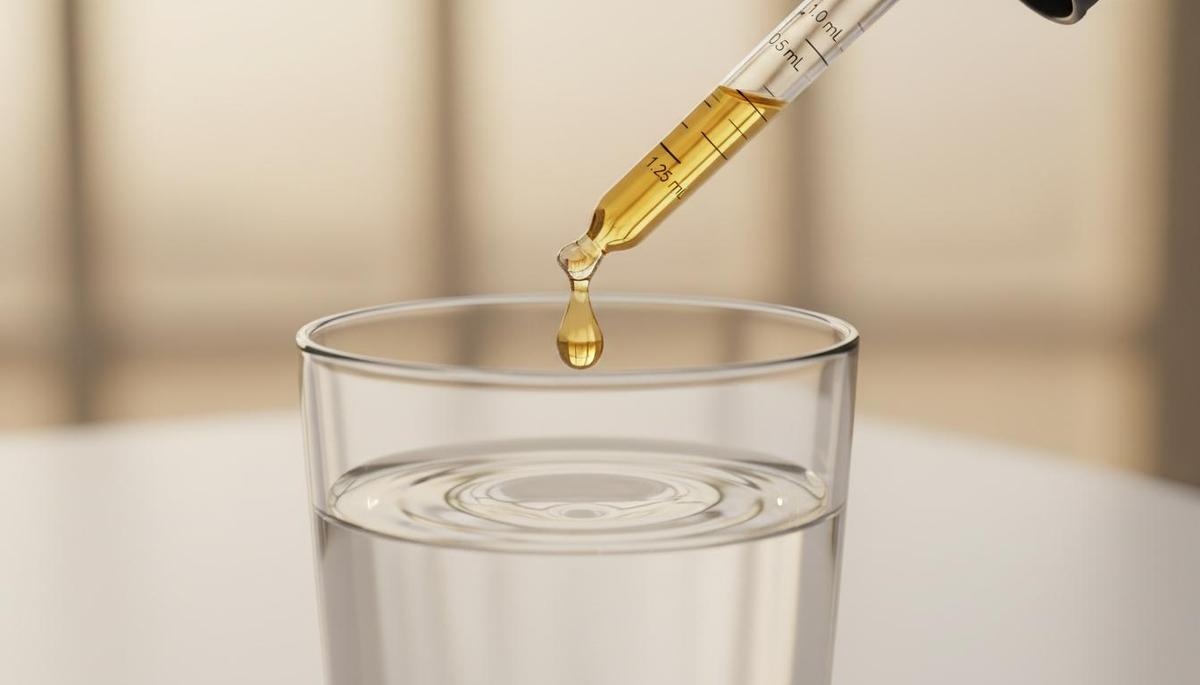
If the effects were too subtle or barely noticeable, increase your next dose by 2.5mg. If the effects were pleasant but you would like them slightly stronger, increase by 1.25mg to 2.5mg. If the effects were overwhelming or uncomfortable, decrease your next dose by at least 2.5mg. Never increase by more than 2.5mg between sessions.
Step 5: Repeat and Refine
Continue this process over several sessions, spacing them at least 48 hours apart to avoid tolerance buildup. Most people find their optimal dose within 4 to 6 sessions. Once identified, you can use this dose as your baseline and adjust slightly up or down depending on the desired intensity for specific occasions.
What to Do If You've Had Too Much
Even careful consumers sometimes accidentally overconsume THC. If you find yourself uncomfortably high, remember that the experience is temporary and cannot physically harm you. Follow these steps to manage the situation.
Stay Calm
Remind yourself repeatedly that you are safe, the effects are temporary, and they will pass within a few hours. No one has ever died from a THC overdose. Anxiety and panic are common reactions to overconsumption but are themselves temporary symptoms, not dangerous conditions.
Find a Safe Space
Move to a quiet, comfortable environment with minimal stimulation. Dim the lights, turn off loud music or television, and eliminate anything that feels overwhelming. If possible, lie down and close your eyes.
Practice Grounding Techniques
Focus on your breathing, taking slow, deep breaths. Name five things you can see, four things you can touch, three things you can hear, two things you can smell, and one thing you can taste. This grounding exercise helps redirect your mind from anxious thoughts to present sensory awareness.
Stay Hydrated
Drink water steadily though not excessively. Some people find that chewing black peppercorns helps reduce THC-induced anxiety due to the beta-caryophyllene terpene they contain. CBD may also help counteract THC's psychoactive effects if you have some available.
Distract Yourself
Put on a familiar, comforting movie or television show that requires minimal attention. Listen to calming music. Chat with a trusted friend who can reassure you. Avoid activities that require concentration or coordination. Time will pass, and the effects will diminish.
Sleep It Off
If possible, simply go to sleep. You will wake up feeling normal, perhaps slightly groggy. Do not set an alarm unless absolutely necessary, allowing your body to rest as long as it needs.
Special Considerations for Different Scenarios
Social Settings
For parties, gatherings, or social events, consider dosing slightly lower than your usual optimal amount. Social anxiety and unfamiliar environments can amplify THC's effects. You can always supplement with a non-THC beverage if you want to continue drinking something while others consume alcohol.
Daytime Productivity
If using THC drinks while working or during daytime activities, microdoses of 2.5mg or less may provide subtle mood enhancement and creativity without noticeable impairment. Some users find that these ultra-low doses actually improve focus and engagement with creative tasks. Always test this approach on a non-work day first.
Physical Activity
Some athletes and fitness enthusiasts use low-dose THC beverages before exercise, reporting enhanced mind-muscle connection, reduced perception of effort, and improved enjoyment of physical activity. If attempting this, use very low doses (2.5mg maximum), choose familiar activities in safe environments, and never use THC before high-risk sports or activities requiring precise coordination.
Sleep Support
Higher doses of THC generally produce more sedating effects that can support sleep onset. Many users find 10mg to 15mg consumed 1 to 2 hours before bedtime helpful for falling asleep. However, regular THC use for sleep can lead to dependence and reduced sleep quality over time. Use this approach occasionally rather than nightly, and consider non-THC sleep aids for regular use.
Tracking Your Consumption
Maintaining a detailed consumption journal accelerates the process of finding your ideal dose and helps you maintain mindful, intentional use patterns. Record the following information for each session: date and time of consumption, product name and brand, THC type (delta-8, delta-9, or other), exact dose in milligrams, whether you consumed on an empty or full stomach, your mood and stress level before consumption, the environment and social setting, time until you noticed effects, peak effect intensity on a 1-10 scale, duration of noticeable effects, overall experience quality on a 1-10 scale, and any side effects experienced. Over time, this data reveals patterns that help you optimize your consumption.
Conclusion
Finding your perfect THC drink dose is a personal journey that requires patience, self-awareness, and respect for the compound. The principles of starting low, increasing slowly, waiting adequately between doses, and maintaining detailed records will guide you safely to your optimal dose. Remember that your ideal dose may change over time based on tolerance, body composition changes, mental state, and life circumstances. What works perfectly today may need adjustment six months from now. Approach THC beverage consumption as an ongoing practice of mindful self-discovery rather than a one-time calculation. With thoughtful experimentation, you will find the dose that provides the experience you seek while minimizing any risk of discomfort or overconsumption.