Walking into a dispensary or browsing an online cannabis retailer, you're confronted with shelves of THC beverages featuring labels packed with numbers, ratios, chemical names, and regulatory symbols. For new consumers, this information overload can feel intimidating. But learning to read these labels like an expert is one of the most valuable skills you can develop as a cannabis beverage consumer. This guide provides a detailed, systematic approach to interpreting every element of a cannabis drink label, empowering you to select products with confidence and precision.
The Front Label: Marketing vs. Substance
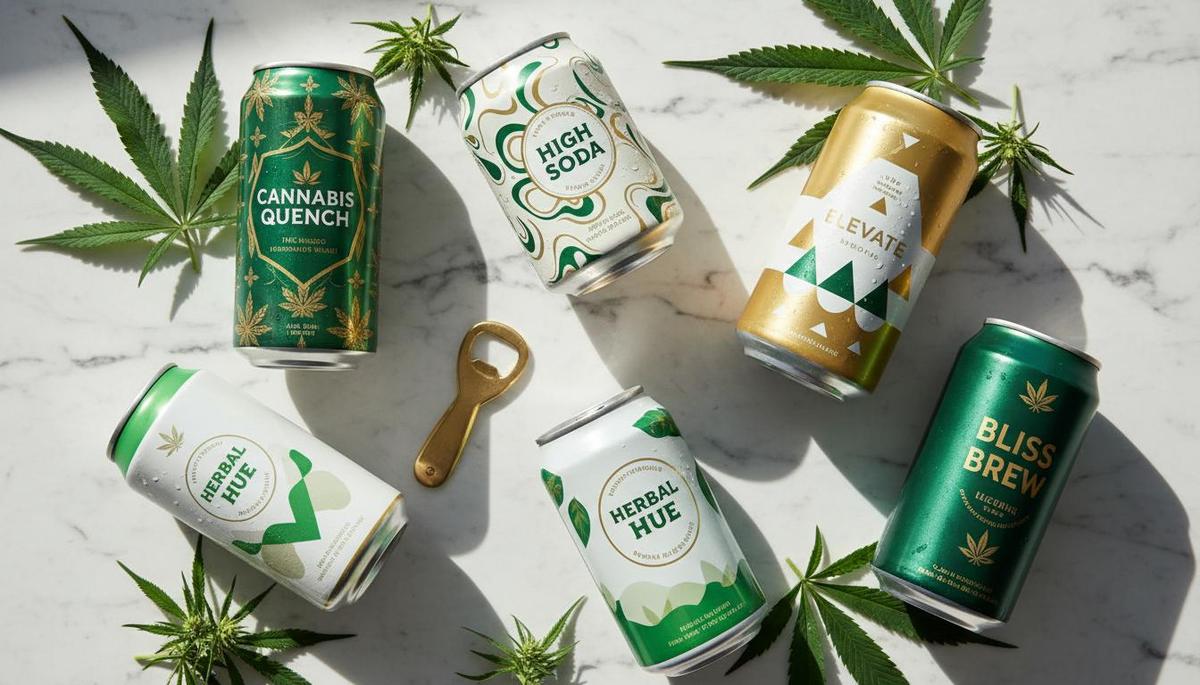
The front of cannabis beverage packaging is primarily designed for marketing impact. Eye-catching graphics, bold flavor names, and prominent brand logos compete for your attention. While the front label provides useful information like brand, flavor, and general product type, the substantive details that should drive your purchasing decisions are almost always found on the back or side panels. Don't let attractive packaging sway your decision without examining the technical details.
Step-by-Step Label Reading Protocol
Develop a systematic approach to reading labels that ensures you never miss important information. Follow this order every time you evaluate a new product.
Step 1: Verify Total THC Content
Locate the total THC content, usually displayed in a prominent box or highlighted area. Confirm the exact milligram amount and whether it refers to the entire package or a single serving. For multi-serving containers, calculate the per-serving THC by dividing the total by the number of servings. This single number should be your primary filtering criterion. If the dose is too high or too low for your needs, move on to a different product regardless of how appealing the flavor or packaging might be.
Step 2: Identify the THC Source and Type
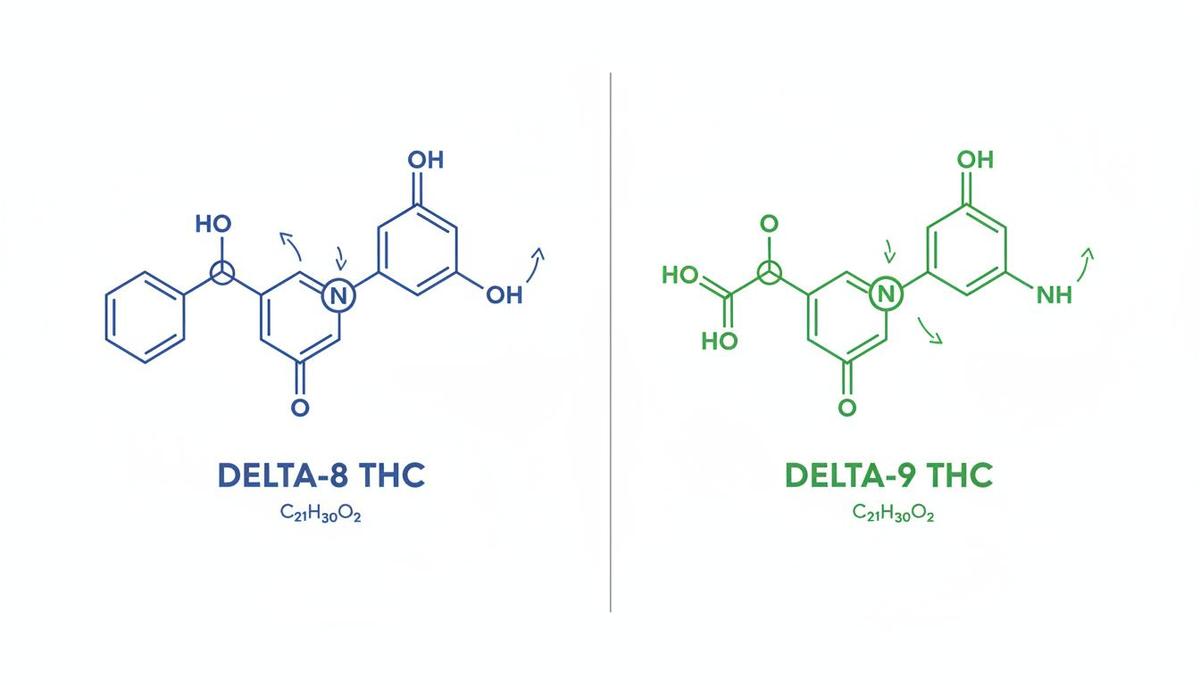
Determine whether the product contains marijuana-derived delta-9-THC, hemp-derived delta-9-THC, delta-8-THC, or a combination. This information affects legality, potency, effects, and quality considerations. The THC type should be clearly stated somewhere on the label. If you can't find this information, that's a red flag about the brand's transparency.
Step 3: Check CBD and Other Cannabinoid Content
If the product contains CBD, note the amount and the THC-to-CBD ratio. Products with balanced ratios (1:1 or close) produce different effects than THC-dominant products. Also look for mentions of minor cannabinoids like CBG, CBN, or CBC, which may contribute to the overall experience.
Step 4: Examine the Ingredients List
Read every ingredient. Look for natural ingredients you recognize and can pronounce. Be wary of excessive artificial additives, fillers, or preservatives. Consider your dietary restrictions and preferences. Note the sweetener type and whether the sugar content aligns with your nutritional goals. If ingredient quality matters to you, this step will quickly separate premium products from budget options.
Step 5: Review the Nutrition Facts Panel
Check calories, sugar, carbohydrates, and sodium. For health-conscious consumers, these numbers significantly impact product suitability. A THC seltzer with zero calories and zero sugar serves different needs than a THC root beer with 140 calories and 35 grams of sugar.
Step 6: Locate Lab Testing Information
Find the QR code, website URL, or batch number that connects to third-party lab results. Verify that lab testing is actually available and recent. If you have your phone handy at the dispensary, scan the QR code and quickly review the COA to confirm potency accuracy and absence of contaminants.
Step 7: Check Dates and Freshness
Find the manufacture date, packaging date, or best-by date. Cannabis beverages don't spoil like milk, but THC potency degrades over time, particularly when exposed to light and heat. Choose the freshest available option, especially if you don't plan to consume immediately.
Step 8: Verify Legal Compliance Markings
Look for required state-specific markings including the cannabis warning symbol, age restriction notices, and regulatory compliance statements. These indicate the product comes from the legal, regulated market rather than unlicensed sources.
Understanding THC Measurement Units
Cannabis labels use milligrams (mg) as the standard unit for cannabinoid content. Understanding relative doses helps contextualize the numbers: 2.5mg is a microdose suitable for beginners and functional daytime use; 5mg is a standard low dose producing noticeable but manageable effects for most people; 10mg is the industry standard single serving, equivalent to a "drink" in social contexts; 25mg is a high dose for experienced users; 50mg is a very high dose that will produce strong effects; and 100mg is the maximum typically found in recreational products, extremely potent and not for beginners. Some labels also show THC percentage by volume, though this is less common for beverages than for flower or concentrates.
Decoding Ratio Terminology
When products contain multiple cannabinoids, ratios describe the relative proportions. A "1:1 THC:CBD" product contains equal milligrams of THC and CBD, so a 10mg THC product would have 10mg CBD. A "2:1 THC:CBD" product has twice as much THC as CBD, meaning 10mg THC and 5mg CBD. A "5:1 CBD:THC" product has five times more CBD than THC, with 10mg CBD and 2mg THC in a 12mg total cannabinoid serving. Ratios are always stated in the order the cannabinoids appear in the product name, so "CBD:THC 2:1" means twice as much CBD as THC.
Understanding Terpene Information
Premium full-spectrum cannabis beverages sometimes list terpene profiles on their labels or COAs. Terpenes are aromatic compounds that contribute to flavor, aroma, and may influence effects through the entourage effect. Common cannabis terpenes include: myrcene (earthy, musky, potentially sedating), limonene (citrus, potentially mood-elevating), pinene (pine, potentially alertness-promoting), linalool (floral, potentially calming), caryophyllene (spicy, potentially anti-inflammatory), and terpinolene (fruity, potentially uplifting). While terpene science is still evolving, many consumers find that specific terpene profiles correlate with their preferred experiences.
Navigating Proprietary Blends and Formulations
Some brands market proprietary cannabinoid blends with names like "Relax Blend," "Energy Formula," or "Sleep Support." These typically combine THC with specific ratios of CBD, CBN, CBG, and sometimes non-cannabis ingredients like melatonin, L-theanine, or adaptogens. Evaluate these products by requesting detailed ingredient breakdowns. Reputable brands disclose exactly what's in their proprietary blends. Be skeptical of vague marketing claims about special formulations without transparent ingredient disclosure.
State-Specific Labeling Variations
Different states with legal cannabis have varying labeling requirements, which means labels from California, Colorado, Oregon, or other markets may look different even for the same brand. Some states require more detailed warning language than others. Packaging size requirements for warning labels vary. THC limits per package differ by state (some cap single packages at 10mg, others allow 100mg or more). Universal symbol requirements vary in design. When purchasing across state lines (where legal), be aware that the same brand may have different label formats and potency options in different markets.
Using Labels to Track Personal Responses
Your label-reading skills become even more valuable when you use the information to track your personal responses. Create a simple log that records: product name and brand, total THC and CBD content, THC type (delta-8, delta-9), ratio if applicable, terpene profile if listed, dose consumed, time of consumption, effects experienced, onset time, peak intensity (1-10), duration, and overall satisfaction (1-10). Over time, this data reveals patterns about which cannabinoid profiles, ratios, and terpene combinations work best for your unique biochemistry. You can then use label information to seek out products with profiles that historically produced your best experiences.
Conclusion
Mastering cannabis beverage labels transforms the shopping experience from guesswork into informed selection. The key information to prioritize is THC content (total and per serving), THC type and source, CBD ratio if present, ingredient quality, lab testing availability, and product freshness. Developing a systematic label-reading habit ensures you consistently choose products aligned with your desired effects, dietary preferences, quality standards, and budget. As the cannabis beverage market continues expanding, this skill becomes increasingly valuable for navigating the growing array of options and finding your personal favorites among the hundreds of products available.