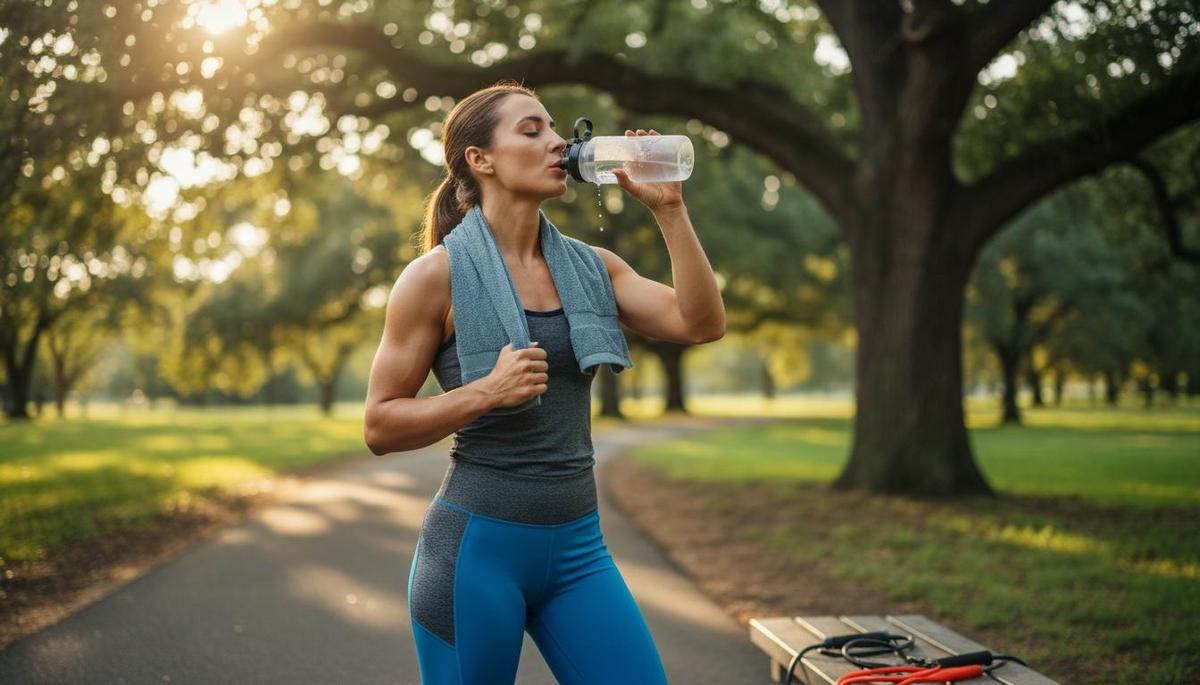
The relationship between cannabis and exercise might seem counterintuitive, cannabis is associated with couch-lock and munchies, not athletic performance. Yet a growing number of athletes and fitness enthusiasts are incorporating low-dose THC beverages into their workout routines, reporting benefits for focus, enjoyment, pain management, and recovery. This comprehensive guide examines the science behind THC and exercise, the potential benefits and risks, and how to approach this combination safely if you're curious.
How THC Might Enhance Exercise
Reduced Pain Perception
THC is known to reduce pain perception, which during exercise might translate to reduced discomfort at a given intensity. Some athletes report being able to push through fatigue barriers more easily with low-dose THC. This effect is well-documented for chronic pain and may apply to exercise-induced discomfort.
Enhanced Enjoyment
Studies suggest that THC can make exercise feel more enjoyable by activating reward pathways in the brain. A 2019 study in the journal Frontiers in Public Health found that cannabis users reported increased motivation to exercise and greater enjoyment during workouts. If exercise feels better, you're more likely to do it consistently.
Improved Focus and Mind-Muscle Connection
Some athletes report enhanced mind-muscle connection, the ability to consciously engage specific muscles during exercise, with low-dose THC. The heightened sensory awareness and present-moment focus that THC provides may translate to better form and more intentional movement.
Flow State Facilitation
The combination of reduced anxiety, enhanced sensory awareness, and altered time perception may facilitate "flow state," the psychological condition of complete immersion in an activity. Flow states are associated with peak athletic performance.
Anti-Inflammatory Effects
Both THC and CBD have demonstrated anti-inflammatory properties. Reducing inflammation can support recovery between training sessions and reduce delayed onset muscle soreness (DOMS).
Potential Risks
Impaired Coordination
THC impairs motor coordination, balance, and reaction time. This is dangerous for high-risk activities including: cycling on roads; rock climbing; weightlifting with heavy loads; any sport requiring precise coordination; and swimming. The impairment risk increases with dose, stick to very low doses (2.5mg) if exercising with THC.
Cardiovascular Effects
THC increases heart rate, which compounds the cardiovascular stress of exercise. For individuals with heart conditions or those doing high-intensity training, this combination could be risky. Consult a doctor if you have any cardiovascular concerns.
Overexertion Risk
Reduced pain perception means you might not notice when you're pushing too hard. Overexertion can lead to injury or excessive fatigue. Pay extra attention to your body's signals when exercising with THC.
Dehydration
THC can cause dry mouth and may contribute to dehydration. Exercise also causes fluid loss. The combination requires extra attention to hydration.
Best Practices for Exercise and THC
Use Very Low Doses
2.5mg is the maximum recommended dose for exercise. Some athletes use 1-2mg microdoses. Higher doses increase impairment risk without proportional benefit.
Choose the Right Activities
Lower-risk activities are more appropriate: yoga; walking and hiking; gentle cycling (not on roads); running on safe trails; swimming in controlled environments (with supervision); and strength training with moderate weights (not max lifts). Avoid: road cycling; climbing (rock or ice); high-intensity interval training for beginners; any competitive sport; and water sports without supervision.
Timing Matters
Consume 30-45 minutes before low-intensity exercise or immediately after for recovery. Don't consume before high-intensity training unless you have extensive experience. Post-workout consumption for recovery and relaxation is generally safer than pre-workout.
Stay Hydrated
Drink extra water before, during, and after exercise. THC + exercise = increased hydration needs.
Know Your Response
Never try THC with exercise for the first time with an unfamiliar dose or activity. Start with familiar exercises at familiar intensity levels. Gradually explore how different doses affect your performance.
THC for Recovery
Post-workout THC use is generally safer and more widely practiced than pre-workout use. Potential recovery benefits include: reduced muscle soreness through anti-inflammatory effects; improved sleep quality (when consumed 1-2 hours before bed); reduced anxiety about upcoming competitions or events; appetite stimulation for refueling after intense training; and general relaxation. A 5-10mg THC seltzer after a hard training session, consumed while hydrating and eating a recovery meal, is a popular routine among cannabis-friendly athletes.
Professional Athletes and Drug Testing
Professional and collegiate athletes should be aware that THC remains banned by WADA (World Anti-Doping Agency), NCAA, and most professional sports leagues. Drug testing thresholds vary but consumption of any THC product will likely result in a positive test. Amateur athletes in tested competitions should also abstain. CBD is permitted by WADA but THC is not as of 2026.
Conclusion
Low-dose THC beverages may enhance exercise enjoyment, reduce discomfort, and support recovery for some individuals when used responsibly. However, the combination requires careful attention to dose, activity selection, hydration, and personal response. The risks, particularly around coordination impairment and overexertion, are real and demand respect. Start with very low doses, choose safe activities, prioritize hydration, and never push beyond your limits. For many fitness enthusiasts, post-workout THC use for recovery is the safest and most beneficial application. As with all cannabis use, individual response varies, experimentation under safe conditions is the only way to determine if THC enhances your fitness routine.