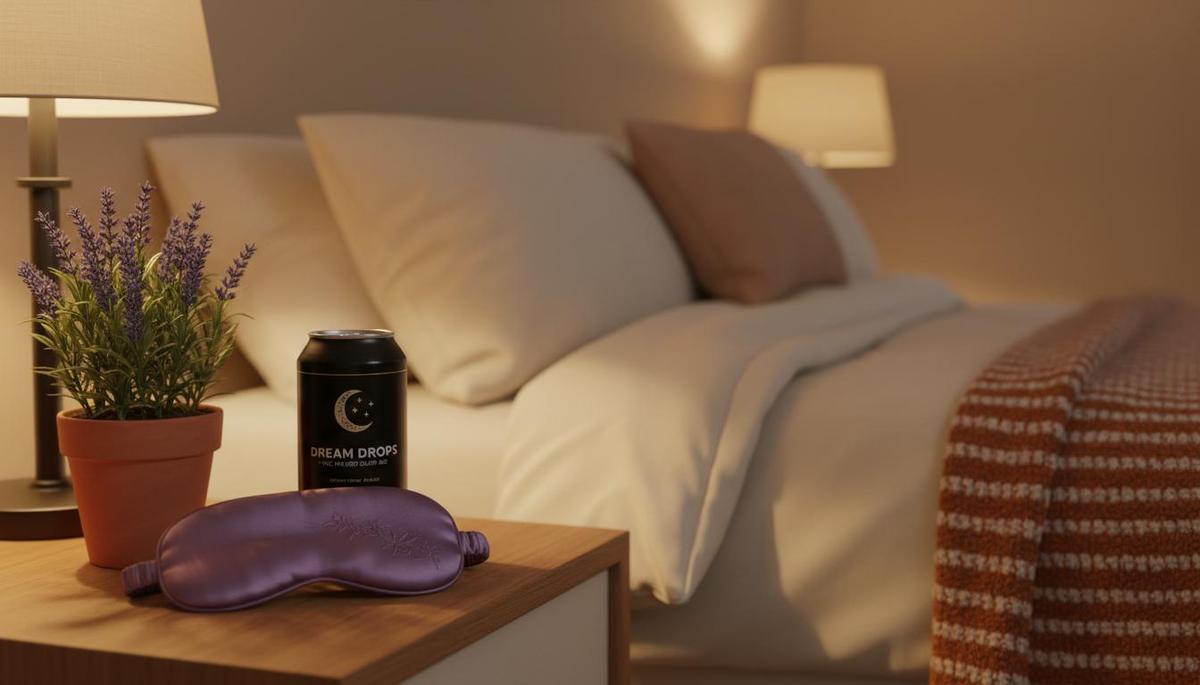
Sleep is essential to health, yet millions of Americans struggle with insomnia and poor sleep quality. While conventional sleep aids like benzodiazepines and Z-drugs carry risks of dependence, tolerance, and side effects, some people are turning to THC beverages as a natural alternative. Cannabis has been used as a sleep aid for thousands of years, and modern science is beginning to understand how it works. This guide examines the evidence for THC as a sleep aid, how to use THC beverages effectively for sleep, and important considerations about long-term use.
How THC Affects Sleep
Falling Asleep Faster
THC reduces sleep latency, the time it takes to fall asleep after getting into bed. Studies consistently show that THC decreases the time to sleep onset, particularly for people who have difficulty "turning off" their minds at night. The anxiolytic and relaxing effects help transition from wakefulness to sleep.
Deep Sleep Enhancement
THC appears to increase time spent in slow-wave sleep (SWS), also called deep sleep. This is the most physically restorative sleep stage, important for muscle recovery, immune function, and overall physical restoration. More deep sleep generally means feeling more physically refreshed upon waking.
REM Sleep Reduction
THC reduces REM sleep, the stage associated with dreaming. For people with PTSD who experience disturbing dreams, this can be beneficial. However, chronic REM suppression may have unknown long-term effects, as REM serves important cognitive and emotional functions.
What the Research Shows
A 2008 review in the journal Sleep Medicine Reviews found that THC reduced sleep latency, increased slow-wave sleep, and decreased REM sleep in controlled studies. A 2014 study found that cannabis use was associated with improved sleep quality in patients with chronic pain. A 2017 study found that 27% of medical cannabis users in a survey used cannabis specifically for sleep. However, a 2021 review noted that while short-term sleep benefits are well-documented, long-term effects remain understudied and may include tolerance and potential sleep architecture disruption.
Best THC Beverage Products for Sleep
High-CBN Formulations
CBN (cannabinol) is a degradation product of THC associated with sedation. Products combining THC with CBN may be particularly effective for sleep. Rebel Coast's CBN-enhanced seltzer is a leading option.
Indica-Associated Terpenes
Terpenes like myrcene and linalool have sedating properties. Products marketed with these terpenes or derived from indica-leaning strains may promote sleep.
CBD-THC Balanced Products
CBD may extend sleep duration and reduce nighttime awakenings. Products with 1:1 or 1:2 THC:CBD ratios can be effective for sleep support.
THC-Only Products
Simple THC beverages at moderate doses (10-15mg) work for many people. The primary mechanism is THC's direct sedating effect.
How to Use THC Beverages for Sleep
Timing
Consume 60-90 minutes before your intended bedtime. This allows onset to begin as you're getting ready for bed and peak effects to align with sleep time.
Dosing
Start with 5-10mg. Increase gradually if needed, but higher doses don't necessarily improve sleep and may cause next-day grogginess. Find the minimum effective dose.
Environment
Create a sleep-conducive environment: cool room temperature (65-68°F); dark (blackout curtains or eye mask); quiet (white noise or earplugs if needed); comfortable bedding; and no screens for 30 minutes before bed. The THC helps, but environment matters too.
Routine
Use THC as part of a consistent wind-down routine: consume your THC beverage; take a warm bath or shower; do light stretching or meditation; read a physical book; and go to bed at the same time each night. Consistency reinforces your body's sleep-wake cycle.
Important Considerations
Tolerance Develops
Regular nightly use leads to tolerance, requiring higher doses for the same effect. To maintain effectiveness, use the minimum effective dose and consider taking 1-2 nights off per week.
Dependence Is Possible
Psychological dependence on THC for sleep can develop with nightly use. Some people find they can't sleep without it after extended periods. To avoid this, practice good sleep hygiene so you're not solely reliant on THC.
REM Suppression Concerns
While short-term REM reduction is generally considered safe, long-term suppression has unknown effects. If you notice cognitive changes, memory issues, or mood changes, consider reducing frequency or discussing with a healthcare provider.
Next-Day Effects
Higher doses can cause grogginess the next morning. If you feel foggy upon waking, reduce your dose or consume earlier in the evening.
Contraindications
Don't use THC for sleep if you have: sleep apnea (THC may worsen respiratory suppression); certain psychiatric conditions; are pregnant or breastfeeding; or take sedative medications (consult your doctor). Always discuss with a healthcare provider if you have diagnosed sleep disorders.
Conclusion
THC beverages can be an effective short-term sleep aid for many people, helping them fall asleep faster and experience more deep sleep. The evidence for immediate sleep benefits is reasonably strong. However, long-term nightly use raises questions about tolerance, dependence, and REM suppression that science hasn't fully answered. The most balanced approach is using THC beverages as part of a comprehensive sleep strategy: good sleep hygiene, consistent schedule, stress management, and occasional rather than nightly THC use. This way, you capture the benefits while minimizing potential risks of chronic use.