The stereotype of cannabis consumers as unmotivated couch-dwellers is increasingly outdated. A growing number of health-conscious individuals are incorporating THC beverages into structured wellness routines, using low doses for stress management, creativity, social connection, and recovery. This approach treats cannabis not as an escape but as a tool for enhancing specific aspects of well-being. This guide explores how to integrate THC beverages into a healthy, balanced lifestyle through mindful, intentional consumption practices.
Redefining Cannabis as a Wellness Tool
The wellness approach to cannabis emphasizes: intentional use with specific goals rather than habitual consumption; low, functional doses rather than intoxication; integration with other healthy practices (exercise, meditation, nutrition); awareness of how cannabis affects your mind and body; regular tolerance breaks to maintain sensitivity; and avoiding use as a coping mechanism for deeper issues. This framework treats THC beverages similarly to how many people use caffeine, alcohol, or supplements, as one element among many that support overall well-being.
Wellness Applications of THC Beverages
Stress Management
Low-dose THC (2-5mg) after a stressful workday can promote relaxation and mental decompression. Combined with other stress-reduction practices like meditation or yoga, THC can facilitate the transition from work mode to personal time. Best products: CANN Social Tonic, Hi Boy.
Sleep Support
Moderate doses (5-10mg) 60-90 minutes before bed can help with sleep onset and deep sleep. Should be used occasionally rather than nightly to prevent dependence. Best products: Rebel Coast CBN seltzer, Dream-inducing formulations.
Creative Enhancement
Low doses (2.5-5mg) can enhance creative thinking, pattern recognition, and artistic flow states. Many writers, musicians, and visual artists use microdoses to access different perspectives. Best products: Levia Achieve (sativa-leaning), low-dose seltzers.
Social Connection
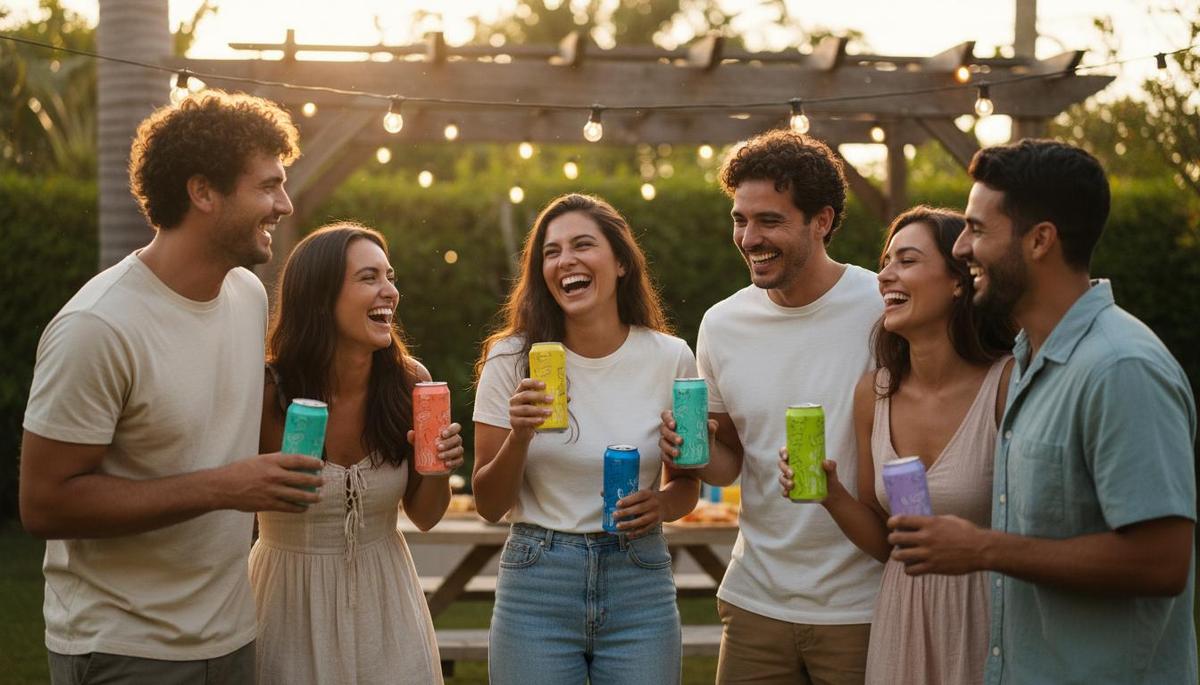
Replacing alcohol with THC beverages at social events reduces calorie intake, eliminates hangovers, and often creates more meaningful conversations. Best products: CANN, Artet for sophisticated settings.
Physical Recovery
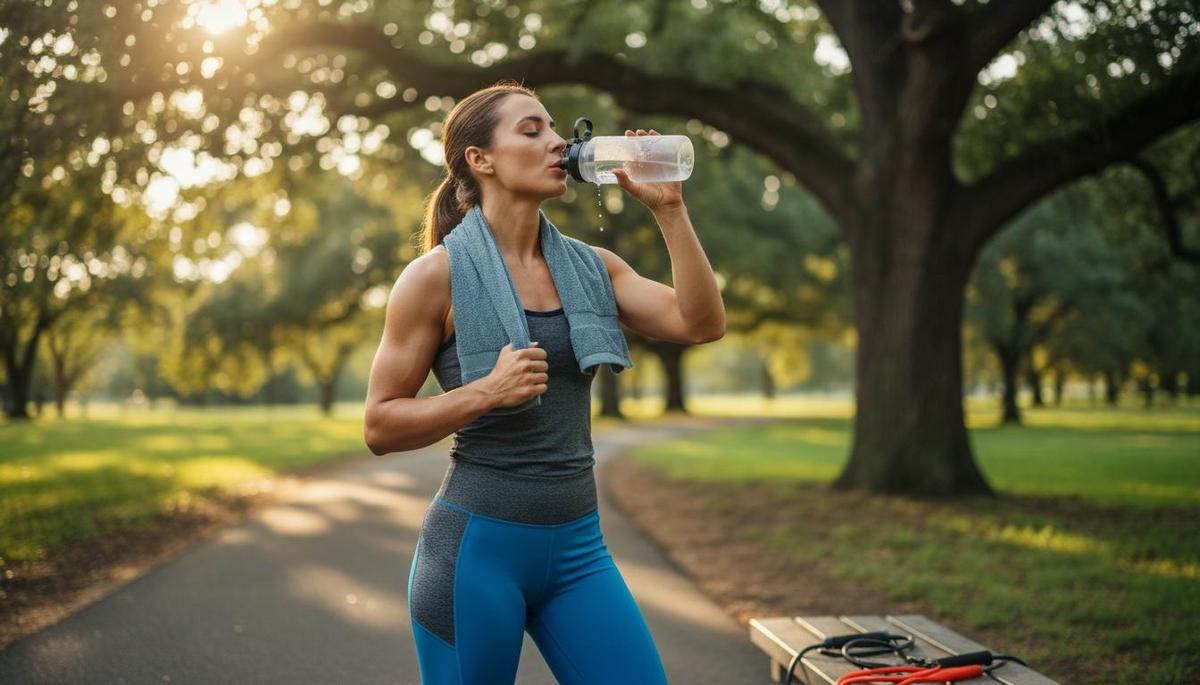
Post-workout THC consumption (5mg) may reduce inflammation, ease muscle soreness, and promote recovery sleep. Best products: CBD-balanced seltzers, anti-inflammatory formulations.
Mindfulness and Presence
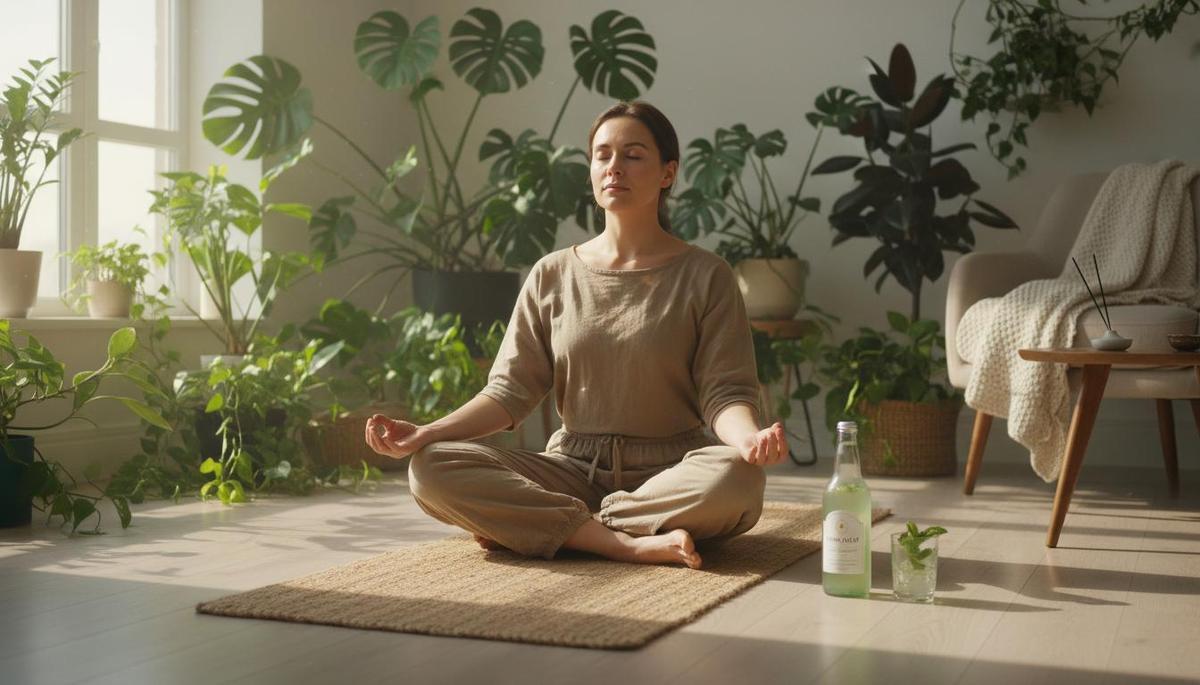
Some practitioners find that very low doses (1-2.5mg) enhance mindfulness meditation by quieting mental chatter and increasing body awareness. Best products: CANN (2mg), microdosed options.
Building a THC Wellness Routine
Step 1: Define Your Goals
What do you want THC to contribute to your life? Be specific. "Relaxation after work" is better than "feeling good." "Sleep support 2 nights per week" is better than "sleeping better." Specific goals guide product selection and dosing.
Step 2: Choose Appropriate Products
Select products aligned with your goals: low-dose for functional use; CBD-balanced for anxiety or recovery; specific formulations (CBN for sleep, sativa-leaning for energy); quality brands with transparent testing; and clean ingredient profiles.
Step 3: Establish Dosing Guidelines
Set personal limits: maximum dose per session; maximum sessions per week; tolerance break schedule; and specific contexts where consumption is and isn't appropriate. Writing these down increases accountability.
Step 4: Integrate With Other Practices
THC works best as part of a comprehensive wellness approach: combine with regular exercise; maintain good nutrition; practice stress management techniques; prioritize sleep hygiene; and cultivate social connections. THC enhances wellness routines but doesn't replace their core components.
Step 5: Track and Adjust
Keep a simple journal of your THC use: date, time, product, dose, context, and effects. Review monthly to assess whether your consumption aligns with your goals. Adjust as needed.
Signs of Healthy vs. Unhealthy Use
Healthy use indicators: consumption feels intentional, not habitual; you look forward to planned consumption, not constantly craving it; THC enhances activities rather than being the activity; tolerance remains stable with periodic breaks; and you can abstain without difficulty when circumstances require. Unhealthy use warning signs: using daily without breaks; increasing doses to maintain effects; using to avoid dealing with problems; feeling unable to enjoy activities without THC; and continuing use despite negative consequences.
Conclusion
THC beverages can be a valuable component of a wellness-focused lifestyle when used intentionally, at low doses, and in combination with other healthy practices. The wellness approach treats cannabis as a tool rather than a crutch, emphasizing mindful consumption with specific goals. By establishing clear guidelines, choosing quality products, integrating with other wellness practices, and monitoring your relationship with cannabis, you can enjoy THC beverages as one element of a balanced, healthy life. The key is intentionality, every consumption decision should serve your broader well-being rather than detract from it.