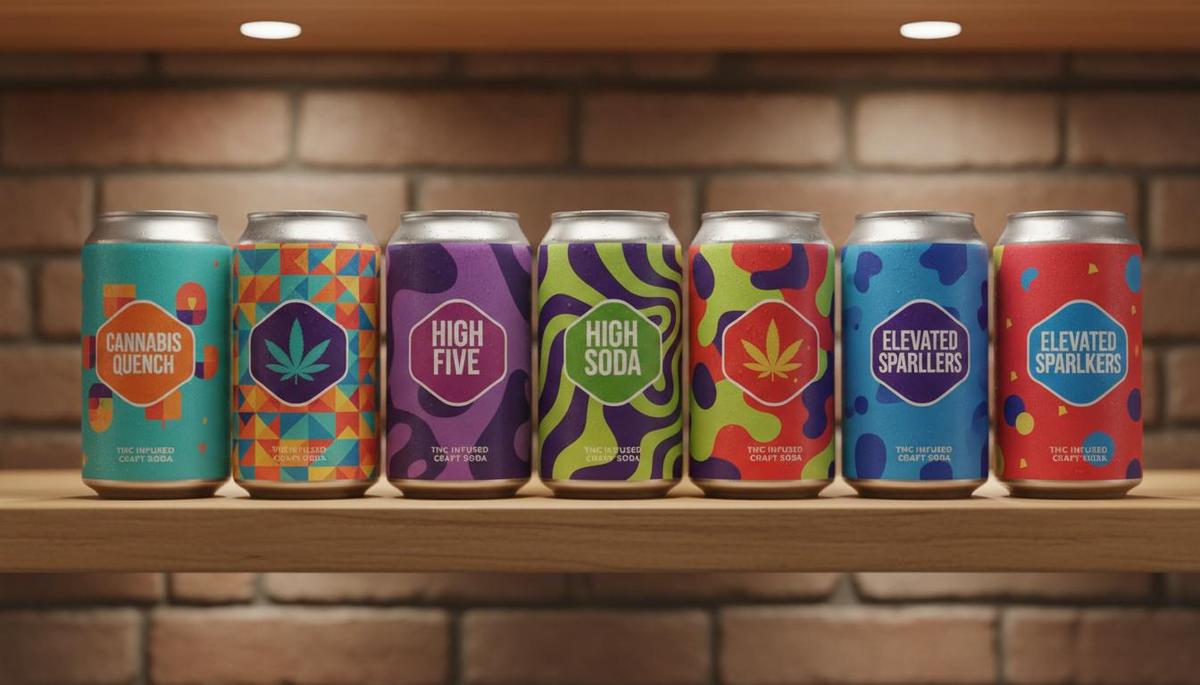
As the THC beverage industry matures, sustainability is becoming an increasingly important consideration for consumers and companies alike. Eco-conscious consumers want to know that their cannabis beverages are produced with minimal environmental impact, using ethical labor practices, and packaged in environmentally responsible materials. This guide examines sustainability in the THC beverage industry: which brands are leading, what practices matter, and how consumers can make environmentally informed purchasing decisions.
Why Sustainability Matters in Cannabis
Cannabis cultivation and production can have significant environmental impacts: indoor growing consumes enormous electricity for lighting and climate control; water usage for cultivation can strain local resources; pesticide and fertilizer runoff affects ecosystems; packaging creates substantial waste; and extraction processes may use harmful solvents. As the industry scales, these impacts multiply. Conscious consumers increasingly factor environmental responsibility into their purchasing decisions.
Sustainability Dimensions
Cultivation Practices
Sustainable cultivation includes: outdoor and greenhouse growing (reducing energy consumption); organic and regenerative farming practices; water recycling and efficient irrigation; integrated pest management instead of chemical pesticides; and carbon-neutral or carbon-negative growing operations.
Extraction and Production
Sustainable production involves: CO2 extraction (cleaner than hydrocarbon methods); renewable energy-powered facilities; water recycling in production; minimal waste manufacturing processes; and third-party environmental audits.
Packaging
Packaging innovations include: aluminum cans (highly recyclable); recycled content in packaging; minimal packaging designs; biodegradable or compostable materials; and refillable or returnable bottle programs.
Transportation and Distribution
Efficient logistics matter: regional production to reduce shipping distances; electric vehicle fleets; optimized delivery routes; and bulk shipping to reduce per-unit transportation impact.
Social Responsibility
Sustainability includes social dimensions: fair labor practices throughout the supply chain; equity programs for communities impacted by the war on drugs; transparent sourcing; and community investment.
Brands Leading in Sustainability
While specific sustainability claims should be verified, several brands emphasize environmental responsibility: CANN emphasizes natural ingredients and minimal processing; Rebel Coast highlights California agriculture and local sourcing; and many craft brands prioritize organic ingredients and sustainable packaging. Look for brands that publish sustainability reports, use organic ingredients, employ recyclable packaging, and discuss their environmental practices transparently.
What Consumers Can Do
Support brands with transparent sustainability practices. Choose aluminum cans over glass or plastic (cans are more recyclable). Buy from local producers to reduce transportation impact. Recycle all packaging properly. Consider packaging waste when comparing products. Ask brands about their environmental practices. Support brands that invest in regenerative agriculture.
Conclusion
Sustainability in the THC beverage industry is still developing but increasingly important. As consumers demand environmentally responsible products, brands will invest in greener practices. The cannabis industry has an opportunity to build sustainability into its foundation rather than retrofitting it later, as legacy industries must. By supporting brands that prioritize environmental responsibility, consumers can influence the industry's direction and ensure that the THC beverage boom doesn't come at the expense of the planet.