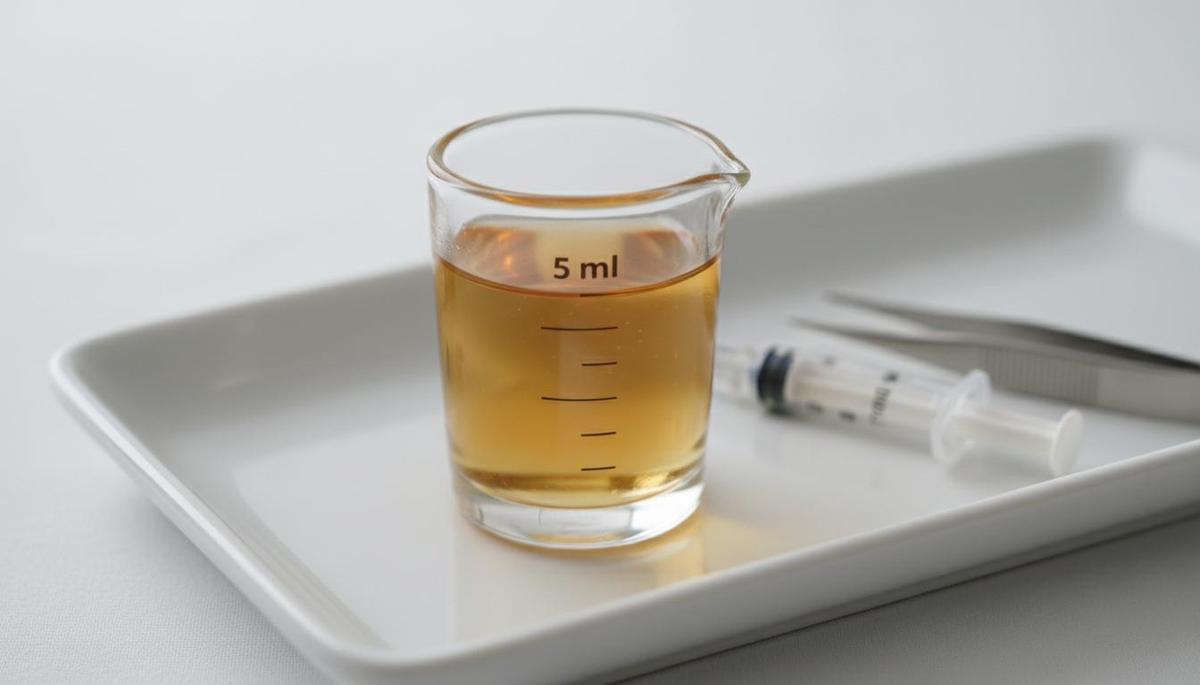
Microdosing, the practice of consuming sub-perceptual doses of psychoactive substances for subtle cognitive and emotional benefits, has migrated from psychedelics to THC. A growing number of professionals, creatives, and wellness enthusiasts are microdosing THC beverages, typically 1-2.5mg doses, to enhance mood, focus, creativity, and social comfort without experiencing a recognizable "high." This comprehensive guide explores the theory, practice, and evidence behind THC microdosing through beverages.
What Is Microdosing?
Microdosing involves taking a fraction of a typical recreational dose, small enough that you don't feel overtly intoxicated or "high." The goal isn't to alter consciousness dramatically but to achieve subtle enhancements in mood, cognition, creativity, and well-being. With THC, microdoses typically range from 1 to 2.5 milligrams, compared to standard recreational doses of 5-10mg.
The concept originated with psychedelics (LSD, psilocybin) but applies equally to THC. At microdoses, THC may provide some of its beneficial effects, anxiolysis, mood elevation, enhanced sensory perception, improved focus, while avoiding the more pronounced effects like significant intoxication, impaired cognition, or anxiety that can occur at higher doses.
Reported Benefits of THC Microdosing
Enhanced Mood
Microdosers commonly report a subtle but noticeable improvement in baseline mood. Not euphoria, just a gentle lift that makes the day feel slightly brighter and more manageable.
Reduced Anxiety
At low doses, THC's anxiolytic properties may manifest without the paradoxical anxiety that sometimes occurs at higher doses. Many microdosers report feeling calmer and more socially comfortable.
Improved Focus
Some users report enhanced ability to concentrate on tasks, particularly creative or detail-oriented work. This may relate to THC's effects on dopamine and the reduction of mental distraction.
Increased Creativity
Microdoses may enhance divergent thinking and pattern recognition without the scattered thinking that higher doses can produce. Ideas flow more freely while executive function remains intact.
Enhanced Sensory Experience
Colors may seem slightly more vivid, music slightly richer, food slightly more flavorful. These subtle enhancements add quality to everyday experiences without being distracting.
Social Ease
Many microdosers use THC before social situations to reduce social anxiety and increase conversational fluidity. The effect is described as "smoothing" social interactions rather than dramatically altering behavior.
Scientific Evidence
Direct research on THC microdosing specifically is limited. However, several relevant findings support the concept: THC has biphasic dose-response curves for many effects, meaning low doses produce different (sometimes opposite) effects than high doses; a 2012 study found that low-dose THC (7.5mg, which is higher than a microdose but lower than typical recreational doses) reduced stress while higher doses (12.5mg) increased it; animal studies consistently show that low doses of cannabinoids can have anxiolytic effects while high doses are anxiogenic; and extensive anecdotal reports from microdosing communities describe consistent benefits. More rigorous clinical research on true microdoses (1-2.5mg) is needed.
How to Microdose THC Beverages
Product Selection
Choose products that allow precise low dosing: CANN Social Tonic (2mg per can, perfect starting point); products with clear measurement markings for partial consumption; water-soluble THC drops that allow custom dosing; and THC syrups where you can measure tiny amounts. Avoid high-potency products where measuring microdoses is difficult and error-prone.
Finding Your Threshold
Start with 1mg (half a CANN). If you feel absolutely nothing after 90 minutes, try 2mg next session. If 2mg produces subtle but noticeable effects, that's your microdose. If you feel distinctly "high," your microdose is lower, try 1.5mg or 1mg. The goal is the smallest dose that produces a subtle, barely perceptible enhancement.
Protocol Options
Freguent microdosing: consume your microdose daily or several times per week. This provides consistent subtle enhancement but may lead to tolerance. Occasional microdosing: use microdoses only when needed for specific situations (social events, creative work, stressful days). This minimizes tolerance. The Fadiman protocol (adapted from psychedelic microdosing): dose one day, take two days off. This prevents tolerance and maintains sensitivity.
Timing
Morning microdosing may enhance focus and mood throughout the workday. Afternoon microdosing can help with the post-lunch energy dip. Evening microdosing supports relaxation and transition to personal time. Avoid microdosing too close to bedtime if you find it energizing rather than relaxing.
Product Recommendations for Microdosing
CANN Social Tonic (2mg) is the ideal microdosing product due to its precise low dose. Half a CANN equals 1mg. Levia (5mg) can be microdosed by consuming half. Hi Boy (5mg) similarly allows for partial dosing. Water-soluble THC drops offer the most flexibility for custom microdoses. THC syrup allows precise measurement of tiny amounts.
Who Should Consider Microdosing
Microdosing may be appropriate for: people who find standard doses too intense; professionals who want subtle enhancement without impairment; those seeking anxiety reduction without intoxication; individuals exploring cannabis for wellness rather than recreation; anyone curious about THC's functional benefits; and people in high-responsibility roles who can't be overtly intoxicated.
Who Should Avoid Microdosing
Microdosing is not appropriate for: individuals in safety-sensitive jobs subject to drug testing (any THC consumption will trigger positive tests); those with history of cannabis dependence; people who find even low THC doses unpleasant; pregnant or breastfeeding individuals; and adolescents (brain development continues into the mid-20s).
Conclusion
Microdosing THC beverages represents a sophisticated, intentional approach to cannabis consumption that prioritizes subtle enhancement over overt intoxication. While scientific evidence specifically for microdosing remains limited, the underlying pharmacology supports the concept: THC's biphasic effects mean low doses can provide benefits that higher doses don't. For professionals, creatives, and wellness-focused individuals, microdosing offers a way to explore THC's functional benefits while maintaining full cognitive capacity and social functionality. Start with 1-2mg, find your personal threshold, establish a sustainable protocol, and pay attention to how microdoses affect your daily life. The goal is enhancement so subtle that others wouldn't know you've consumed anything, only you notice the gentle improvement in your day.