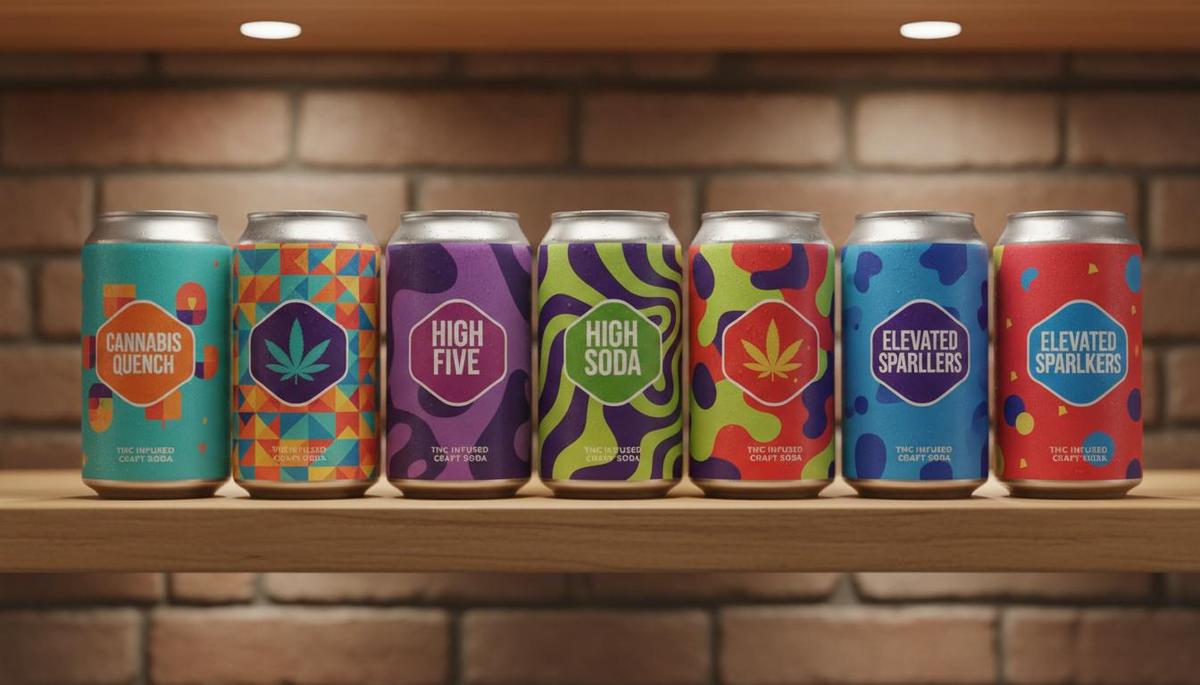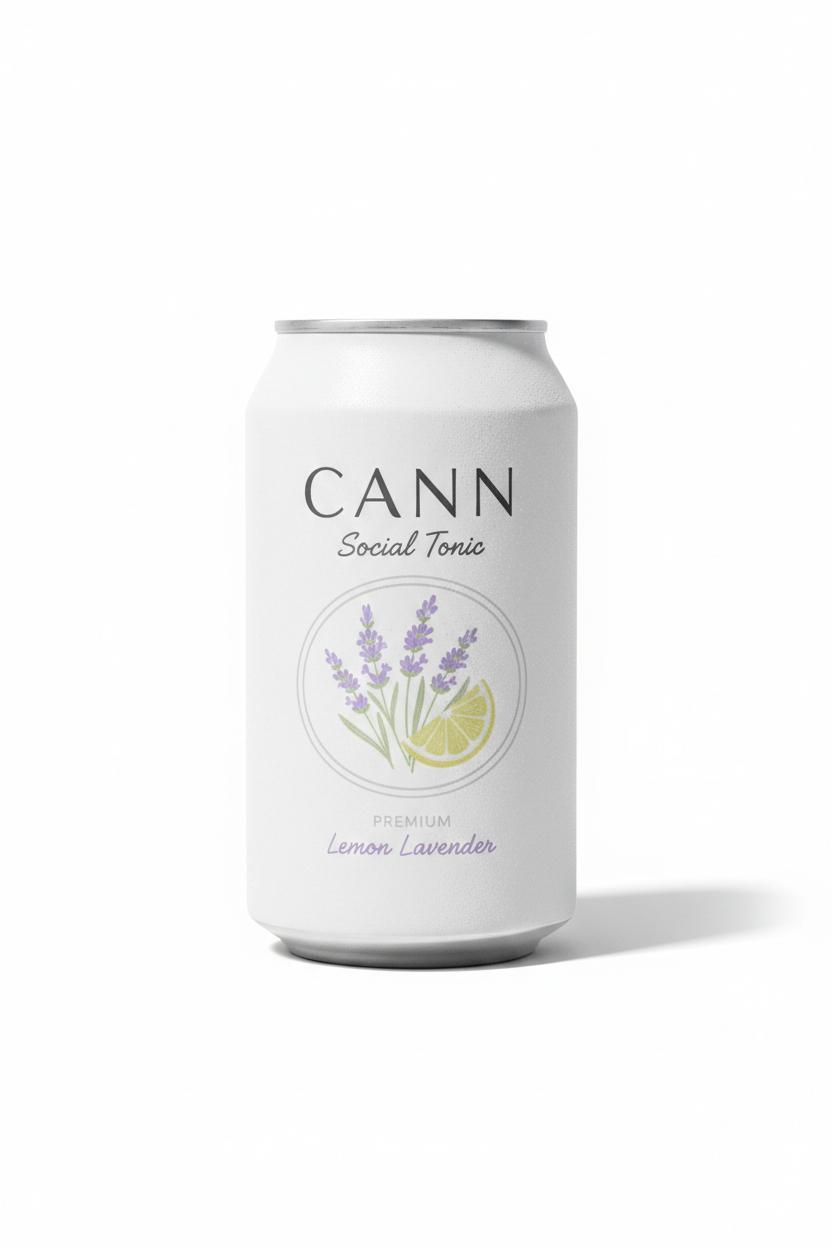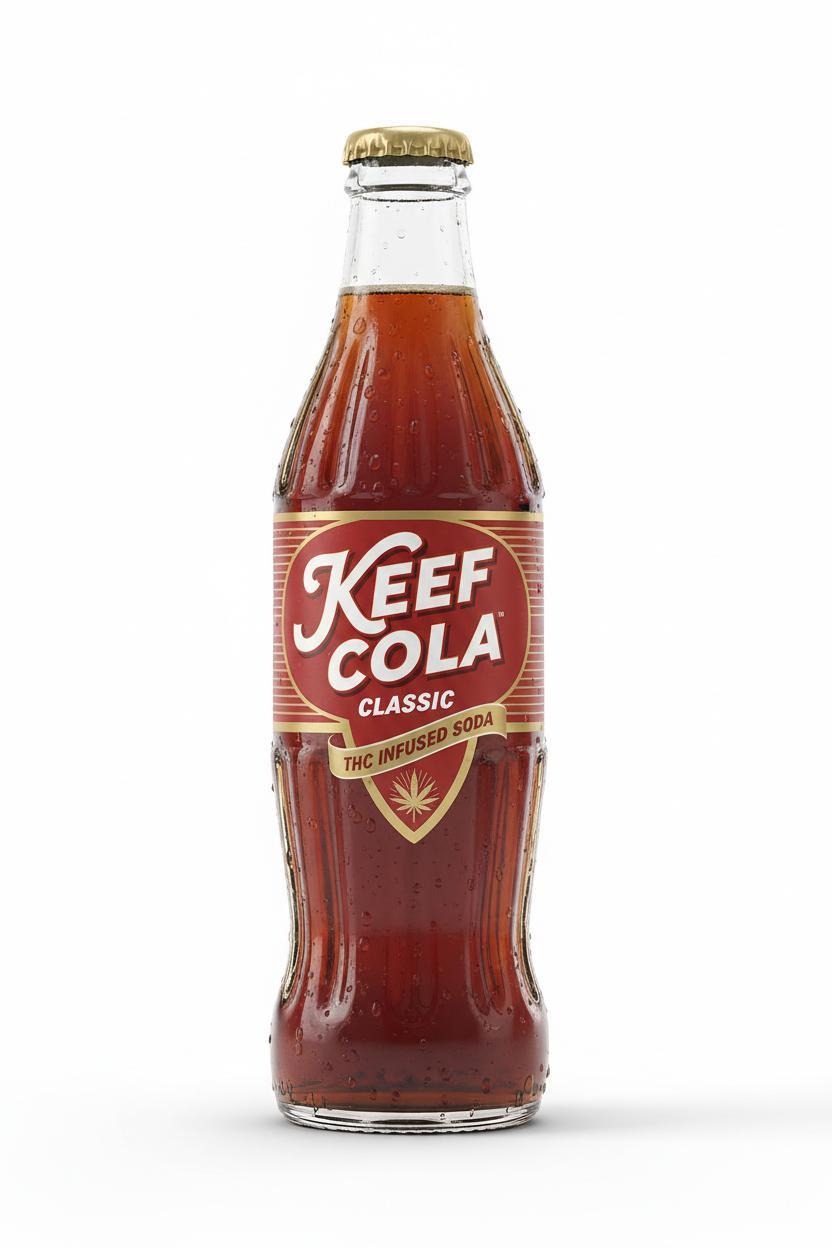
While the THC beverage market includes many excellent products, it also contains items that fall short on taste, potency accuracy, safety, and overall quality. As a consumer, knowing what to avoid is as important as knowing what to buy. This guide identifies red flags that indicate subpar products, categories where quality tends to be lowest, and specific warning signs that should send you looking for alternatives.
Red Flags: Warning Signs of Poor Quality
No Third-Party Lab Testing
The single most important quality indicator is access to independent lab results. If a brand cannot provide Certificates of Analysis (COAs) verifying potency and safety, do not buy their products. Period. Reputable brands make COAs easily accessible via QR codes on packaging or their websites. Absence of lab testing suggests either negligence or intentional concealment of quality issues.
No Batch Numbers or Manufacturing Dates
Products without batch numbers or dates cannot be traced in case of recalls or quality issues. This indicates small-scale, unprofessional production that may not meet food safety standards. Every legitimate cannabis beverage should have a batch number.
Sold at Gas Stations and Sketchy Corner Stores
While hemp-derived THC products are increasingly available at mainstream retailers, extreme discount products at gas stations, sketchy smoke shops, and unverified online sellers carry elevated risk. These channels often stock the cheapest possible products with minimal quality oversight. The rock-bottom pricing that makes these products attractive usually reflects corner-cutting in production.
Extremely Low Prices
If a 10mg THC soda costs $2 or less, something is wrong. Quality nano-emulsification, third-party testing, food-grade manufacturing, proper packaging, and compliant labeling all cost money. Products priced far below market norms are cutting costs somewhere, typically in safety testing, emulsion quality, or ingredient standards. While PBR and budget brands deliver acceptable quality at $5-6, anything below that range raises serious concerns.
Unrealistic Marketing Claims
Be skeptical of products claiming "100% bioavailability," "instant effects," "medical grade," or specific health benefits like "cures anxiety" or "treats depression." These claims are unscientific and often illegal. Reputable brands use measured, accurate language about their products.
Category Concerns
Delta-8 Products from Unknown Brands
The delta-8 market is particularly problematic due to lack of regulation. Many delta-8 beverages are produced in facilities without proper safety standards, using chemical conversion processes that may leave residual solvents or unknown byproducts. A 2023 study by the Cannabis Council of New Jersey found that many delta-8 products contained potentially harmful contaminants. If you choose delta-8, stick to established brands with transparent lab testing.
Homemade or "Craft" Unlicensed Products
While the idea of supporting small-batch craft producers is appealing, unlicensed homemade THC beverages pose real risks. Without commercial emulsification equipment, these products often have uneven dosing, visible oil separation, and no safety testing. Support legal, licensed producers who invest in proper manufacturing infrastructure.
Products with Artificial Everything
THC beverages loaded with artificial colors, artificial flavors, high-fructose corn syrup, and synthetic sweeteners represent the lowest quality tier. Premium ingredients cost more but produce better taste and healthier products. Given that you're paying a premium for THC, you deserve quality ingredients to go with it.
How to Protect Yourself
Only buy from licensed dispensaries or verified retailers. Always verify third-party lab testing before purchasing. Check online reviews from multiple sources. Avoid products with no manufacturer contact information. Stick to brands with established reputations. When trying a new brand, start with a single can rather than a multi-pack. Trust your senses: if a product looks, smells, or tastes wrong, don't consume it.
Conclusion
The majority of THC beverages from established, licensed brands are safe and high-quality. Problems arise primarily in the unregulated fringe of the market: ultra-cheap products, unknown brands, delta-8 from questionable sources, and unlicensed homemade items. By following the guidelines in this article, you can confidently avoid low-quality products and focus your attention on the many excellent THC beverages that deliver safe, enjoyable experiences.