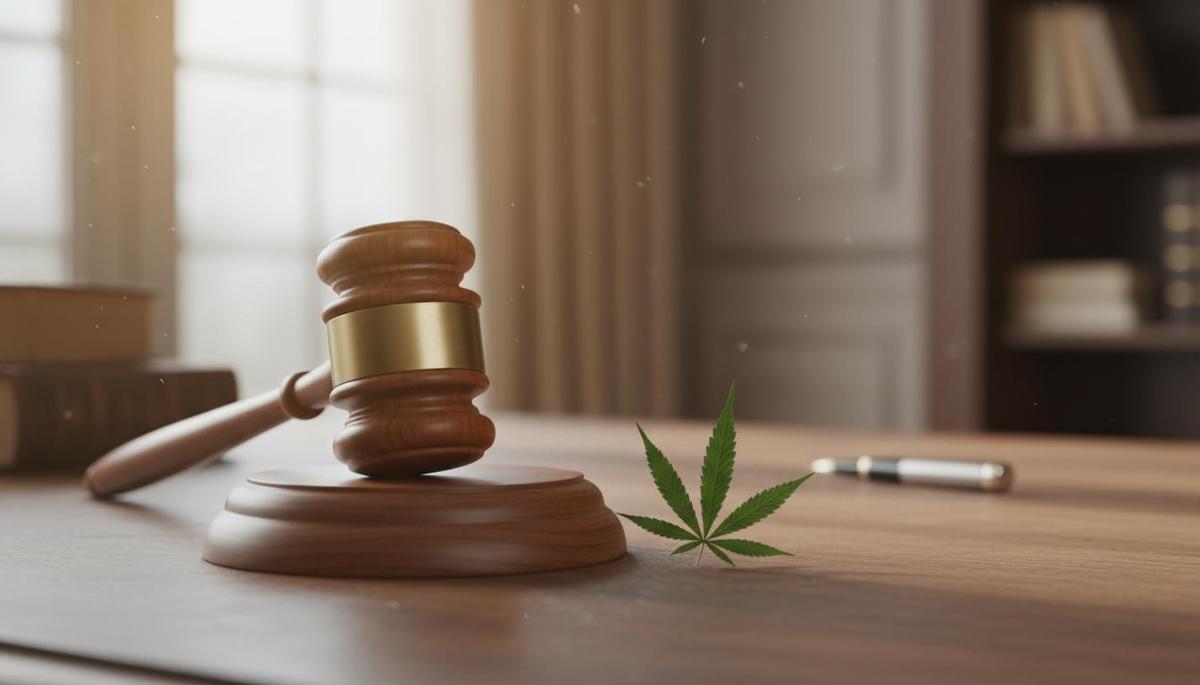
The legislative landscape for THC beverages is evolving rapidly in 2026. Several federal and state bills under consideration could dramatically expand or restrict the market, affecting consumers, businesses, and investors alike. This guide examines the most significant pending legislation, the likelihood of passage, and what each bill would mean for the cannabis beverage industry if enacted.
Federal Legislation to Watch
SAFER Banking Act
The Secure and Fair Enforcement Regulation (SAFER) Banking Act would allow cannabis businesses access to traditional banking services, including loans, credit card processing, and deposit accounts. Currently, most banks refuse to serve cannabis businesses due to federal prohibition. Passage would: reduce cash-only operations; enable credit card purchases of THC beverages; allow business loans for expansion; and reduce security risks. Status: Passed Senate committee, awaiting full Senate vote. Likelihood of passage: moderate to high. Impact: significant for businesses, moderate for consumers.
STATES Act
The Strengthening the Tenth Amendment Through Entrusting States (STATES) Act would federally decriminalize cannabis in states that have legalized it. Effectively, federal law would respect state cannabis laws. This would: protect state-legal businesses from federal prosecution; enable interstate commerce between legal states; and provide significant regulatory relief. Status: Introduced in both houses. Likelihood: moderate. Impact: transformative if passed.
Federal Legalization Bills
Comprehensive federal legalization bills continue to be introduced. These would deschedule cannabis entirely, creating a federal regulatory framework similar to alcohol. While full legalization remains unlikely in the current political climate, incremental progress continues.
State Legislation Trends
Expansion of Legalization
Several states are considering recreational legalization: Florida (potential ballot initiative); Pennsylvania (legislative discussions); Wisconsin (gubernatorial support); and additional states with active campaigns. Each new legal state creates significant new market opportunities.
Hemp-Derived THC Regulation
Many states are developing specific regulations for hemp-derived cannabinoids: licensing requirements for producers; testing and quality standards; age verification requirements; and taxation frameworks. This trend toward regulation (rather than prohibition) legitimizes the hemp-derived THC beverage market.
Social Equity Provisions
New legislation increasingly includes social equity components: expungement of prior cannabis convictions; licensing preferences for communities harmed by prohibition; and community reinvestment of cannabis tax revenue. These provisions address historical injustices while creating new business opportunities.
Regulatory Developments
FDA Rulemaking
The FDA is expected to issue proposed rules for CBD and potentially other cannabinoids in food and beverages. These rules would establish: permitted cannabinoid levels; labeling requirements; manufacturing standards; health claim restrictions; and new dietary ingredient notification requirements. Timeline uncertain but expected within 2026-2027.
TTB Involvement
The Alcohol and Tobacco Tax and Trade Bureau may establish frameworks for alcohol-cannabis product combinations if federal law changes. Currently prohibited, these products could create entirely new categories if legalized.
What This Means for Consumers
Pending legislation could: expand product availability to new states; improve product safety through standardized testing; reduce prices through increased competition; enable online purchasing and shipping; and provide clearer legal protections for consumers. The overall trajectory is toward expanded access and clearer regulation, both beneficial for consumers.
How to Stay Informed
Follow industry news sources like MJBizDaily, Cannabis Business Times, and Marijuana Moment. Monitor your state's legislative calendar. Join consumer advocacy organizations like NORML. Follow key legislators on social media. Participate in public comment periods for rulemaking.
Conclusion
The legislative landscape for THC beverages in 2026 is dynamic and generally positive. While comprehensive federal legalization remains elusive, incremental progress through banking reform, state expansion, and regulatory clarification continues expanding the market and improving consumer protections. Stay informed, support sensible legislation, and prepare for a rapidly evolving regulatory environment. The trend is clear: cannabis beverages are moving toward mainstream legal acceptance, and 2026 legislation is accelerating that transition.